
Architects design buildings and spaces, balancing function, beauty, safety and cost. AI won't replace architects, but it is quickly changing how they work. AI tools can now generate concept designs, renderings and layouts in minutes, so routine drafting and early-stage design work will shrink. Architects who lead clients, solve complex problems and take professional responsibility will remain in demand. The role is rated Moderate AI impact.
What Does an Architect Do?
Architects guide a building project from idea to completion:
- Design: developing concepts, plans and 3D models.
- Client work: understanding needs, budgets and goals.
- Regulations: making sure designs meet building codes and planning rules.
- Project coordination: working with engineers, builders and councils through construction.
Architects work in design firms, government, property development and their own practices.
Will AI Replace Architects?
Not fully, but it is taking over parts of the work.
What AI can do: generate design options, create realistic renderings, optimise layouts for light and energy, and automate drafting and documentation.
What AI cannot do:
- Understand clients. Translating people's needs, values and budgets into a building takes listening and judgment.
- Solve complex problems. Real sites come with tricky planning rules, neighbours and constraints.
- Coordinate projects. Architects lead teams of engineers, consultants and builders.
- Take legal responsibility. Across Asia-Pacific and North America, only registered architects can use the title and sign off on certain work.
Compare other ratings in our full list of careers AI can't replace.
How This Career Is Changing
- Faster early design. AI produces concepts and renderings in hours instead of weeks.
- Fewer junior drafting roles. Routine documentation is increasingly automated.
- More focus on leadership. Client relationships, coordination and approvals become more important.
- New specialties. Sustainable design, retrofitting and computational design are growing.
How to Stay Ahead
If you're already an architect:
- Learn AI design and BIM tools so you can work faster than competitors.
- Build client and project management skills.
- Specialise in sustainability, heritage or complex building types.
- Consider moving into project leadership, such as Construction Project Manager (Low AI impact).
If you're thinking of switching into architecture: be prepared for a long path, usually five to seven years of study plus practical experience before registration. If you want to work in building design faster, consider roles in construction management or building design support. A free career assessment can help you compare options.
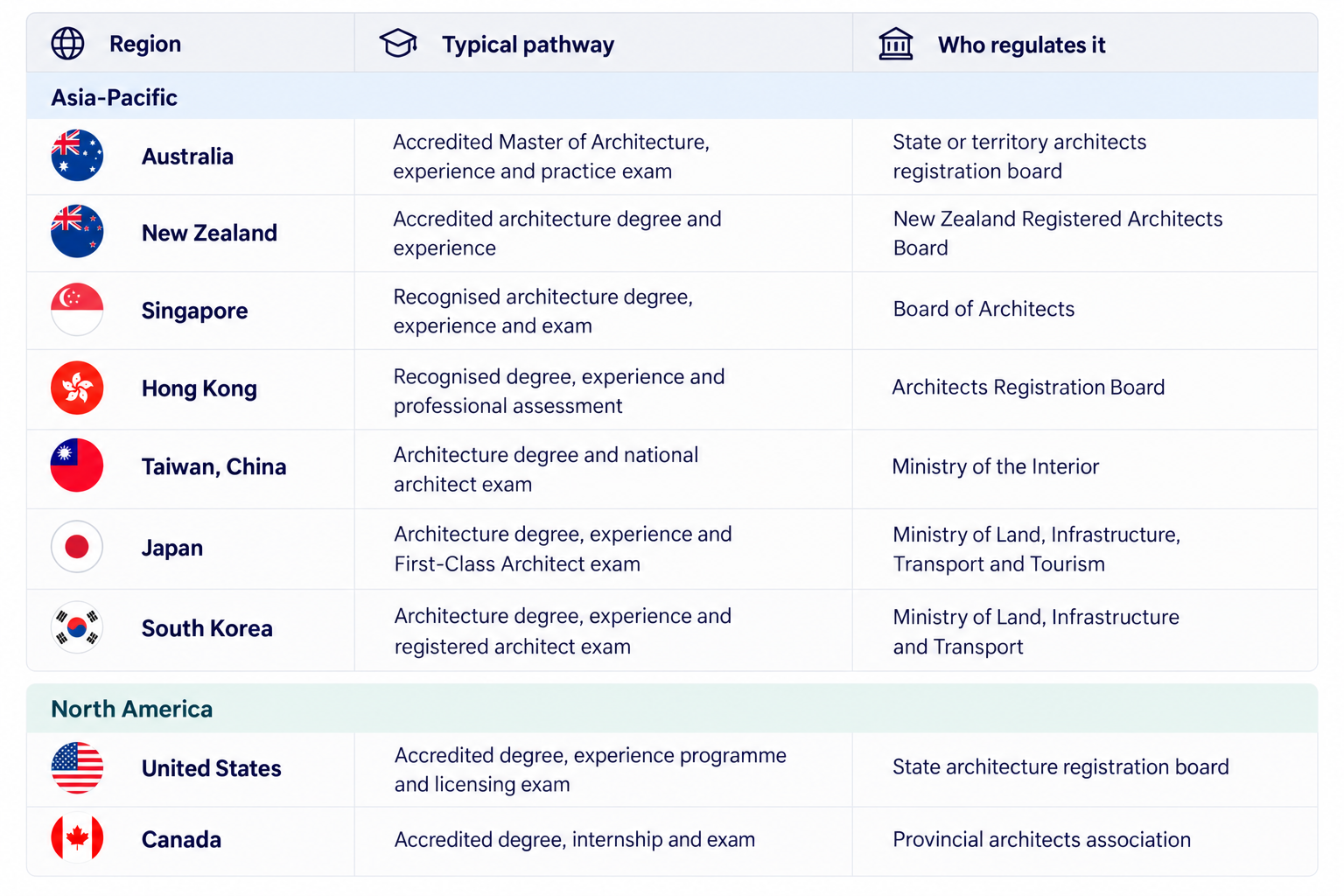
Requirements change, so always check with the registration board in your region.
Is It Worth It?
Pros:
- Creative work with visible, lasting results
- AI tools can remove repetitive drafting
- Opportunities to specialise or run your own practice
Cons:
- Long, expensive training
- Pay can be modest early on
- Junior roles are shrinking as AI automates drafting
It suits creative problem-solvers who also enjoy leading people and projects.
FAQs
Will AI replace architects?
No, but it will automate much of the drafting and early design work. Architects who lead clients and projects will remain in demand.
How long does it take to become an architect?
Usually seven to ten years, including study and practical experience.
Is architecture still a good career?
Yes, especially for those who embrace AI tools and develop leadership skills.
Not sure if your current job is at risk? Check your AI risk score for free and see which careers match your skills. brigenai helps you find a career that lasts, with AI tools and real people to guide your switch.






