
Long-haul truck drivers transport goods over long distances between cities, ports and warehouses. AI won't replace them overnight, but self-driving trucks are already being tested and, in some places, used on selected highways. Over the next ten years, fewer long-distance highway jobs are likely, while roles that involve complex loads, local delivery and hands-on work will last longer. The role is rated Moderate AI impact.
What Does a Long-Haul Truck Driver Do?
Long-haul drivers keep supply chains moving. Their work includes:
- Driving long distances: often overnight or across multiple days.
- Loading and securing cargo: making sure loads are safe and legal.
- Vehicle checks: inspecting the truck before and after each trip.
- Compliance: following fatigue, weight and safety rules, and keeping logbooks.
Drivers may carry general freight, refrigerated goods, fuel, livestock or oversized loads.
Will AI Replace Long-Haul Truck Drivers?
Partly. This is one of the jobs where AI is making real progress.
What AI can do: self-driving trucks can already handle long, simple highway routes in good conditions. Several companies in North America have started running driverless trucks on selected highways, and AI is also used for route planning and fuel efficiency.
What AI still struggles with:
- Complex roads. Cities, bad weather, roadworks and remote roads are much harder to automate.
- Loading and securing cargo. Checking loads and handling unusual freight still need people.
- Special loads. Dangerous goods, oversized cargo and livestock require skilled drivers.
- Laws and public trust. Rules for driverless trucks vary widely, and adoption will be gradual.
The most likely future is a mix: automated highway sections, with people handling the first and last stages of each trip. Compare other ratings in our full list of careers AI can't replace.
How This Career Is Changing
- Highway-only automation. Long, simple routes are the first to be automated.
- More local and regional work. Deliveries into cities and complex sites still need drivers.
- New support roles. Remote monitoring, fleet supervision and hub operations are growing.
- Electric trucks. Fleets are shifting to electric vehicles, creating demand for new skills.
How to Stay Ahead
If you drive trucks now:
- Specialise. Dangerous goods, oversized loads, refrigerated freight and heavy haulage are harder to automate.
- Move into regional or local routes. These are more complex and less likely to be automated soon.
- Build supervision skills. Fleet coordination, dispatch and training roles are growing.
- Learn a related trade. Truck drivers often move into vehicle maintenance, such as Auto Mechanic or EV Technician, both rated Low AI impact.
If you're thinking of becoming a truck driver: it's still a quick way to secure income, but plan for specialisation from the start. A free career assessment can help you compare options.
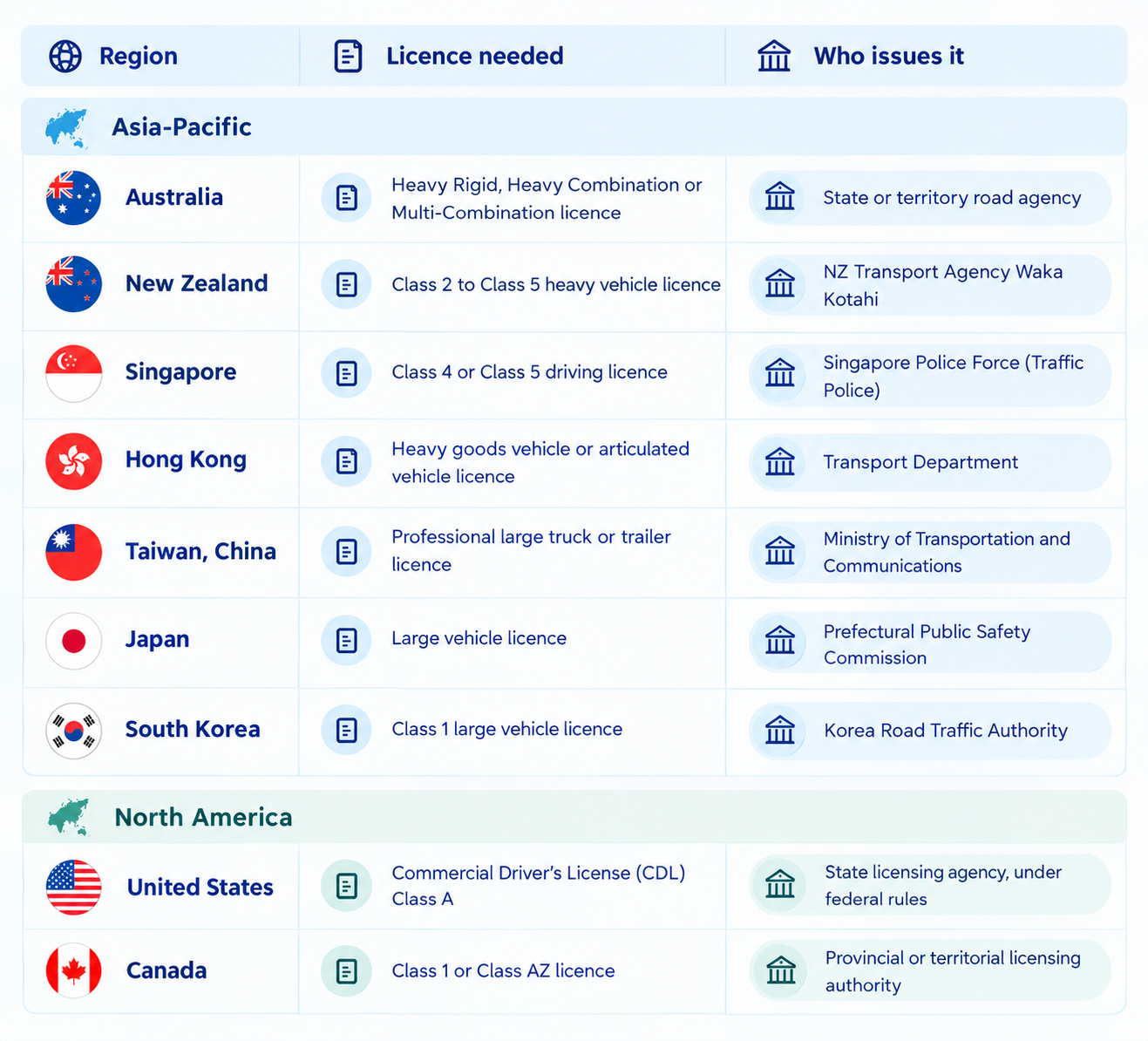
Requirements change, so always check with the licensing authority in your region.
Is It Worth It?
Pros:
- Fast entry, often within weeks to months
- Solid income, especially for specialised loads
- Independence on the road
Cons:
- Long highway routes are at the highest risk of automation
- Long hours and time away from home
- Health impacts from long periods of sitting
It suits people who enjoy independence and are willing to specialise to stay ahead.
FAQs
Will self-driving trucks replace truck drivers?
Not completely, but long highway routes are likely to be automated first. Local, regional and specialised driving will last longer.
How long does it take to get a truck licence?
Usually a few weeks to a few months, depending on the licence class and region.
What can truck drivers switch to?
Common options include fleet supervision, dispatch, vehicle maintenance and specialised haulage.
Is truck driving still a good career?
Yes in the short term, especially with specialised skills. Plan ahead for changes over the next ten years.
Not sure if your current job is at risk? Check your AI risk score for free and see which careers match your skills. brigenai helps you find a career that lasts, with AI tools and real people to guide your switch.






