
Plumbers install and repair the pipes, fixtures and systems that bring clean water into buildings and take waste out. AI is unlikely to replace them for at least 20 years: the work is physical, every building is different, and a licensed person must sign off on it. For career changers, plumbing is one of the most practical AI-resistant careers. You can start without a degree, get paid while you train, and qualify in about four years.
What Does a Plumber Do?
Plumbers install water, drainage and gas systems, fix leaks and blockages, and make sure everything meets health and building codes. The work covers:
- Residential: new homes, bathroom and kitchen renovations, hot water systems and emergency repairs.
- Commercial: offices, restaurants, hospitals and apartment buildings.
- Infrastructure: water mains, drainage networks and large construction projects.
A typical day might include diagnosing a leak, fitting a new hot water system and quoting a job for a customer. Many plumbers later specialise in gas fitting or drainage, or start their own business.
Will AI Replace Plumbers?
No. AI will help with parts of the job, but it cannot do the job.
What AI can do: apps can help with quoting, scheduling and finding parts, and smart sensors can detect leaks early. These tools create more work for plumbers, not less.
What AI cannot do:
- Work in real homes. Pipes run behind walls, under floors and through tight spaces. Every job is different, and robots still can't handle that kind of variety.
- Diagnose tricky problems. Finding the source of a hidden leak takes experience, tools and judgment on site.
- Take legal responsibility. Across Asia-Pacific and North America, plumbing and gas work must be done or signed off by a licensed person.
Demand is steady and growing, driven by ageing buildings, new housing and the switch to heat pumps and water-efficient systems. That is why plumber is rated Low AI impact. See how it compares in our full list of careers AI can't replace.
Can You Switch to This Career?
Yes. People often move into plumbing from:
- Construction and trades: labourers, tilers and carpenters already know how job sites work.
- Maintenance roles: building and facility maintenance is a natural stepping stone.
- Hospitality and retail: customer service skills help when dealing with homeowners.
- Office jobs: a desk background is no barrier if you enjoy hands-on problem-solving.
Useful skills you may already have include basic maths, reading instructions, customer communication and staying calm under pressure. Not sure which of your skills transfer? A free career assessment can show how well you match.
Is it too late at 30 or 40? No. Mature-age apprentices are common, and many employers value their reliability. The main challenge is lower pay during the apprenticeship, so plan your savings first.
How to Start Over as a Plumber
Most plumbers qualify through an apprenticeship that combines paid work with part-time study. It usually takes three to five years.
- Try it first. Take a short pre-apprenticeship course or spend a few days with a working plumber.
- Find an apprenticeship. Contact plumbing businesses, group training organisations or your local trade body.
- Complete your training. Study theory part-time while working on real jobs under supervision.
- Get licensed. Pass the required assessments and apply to your regional regulator.
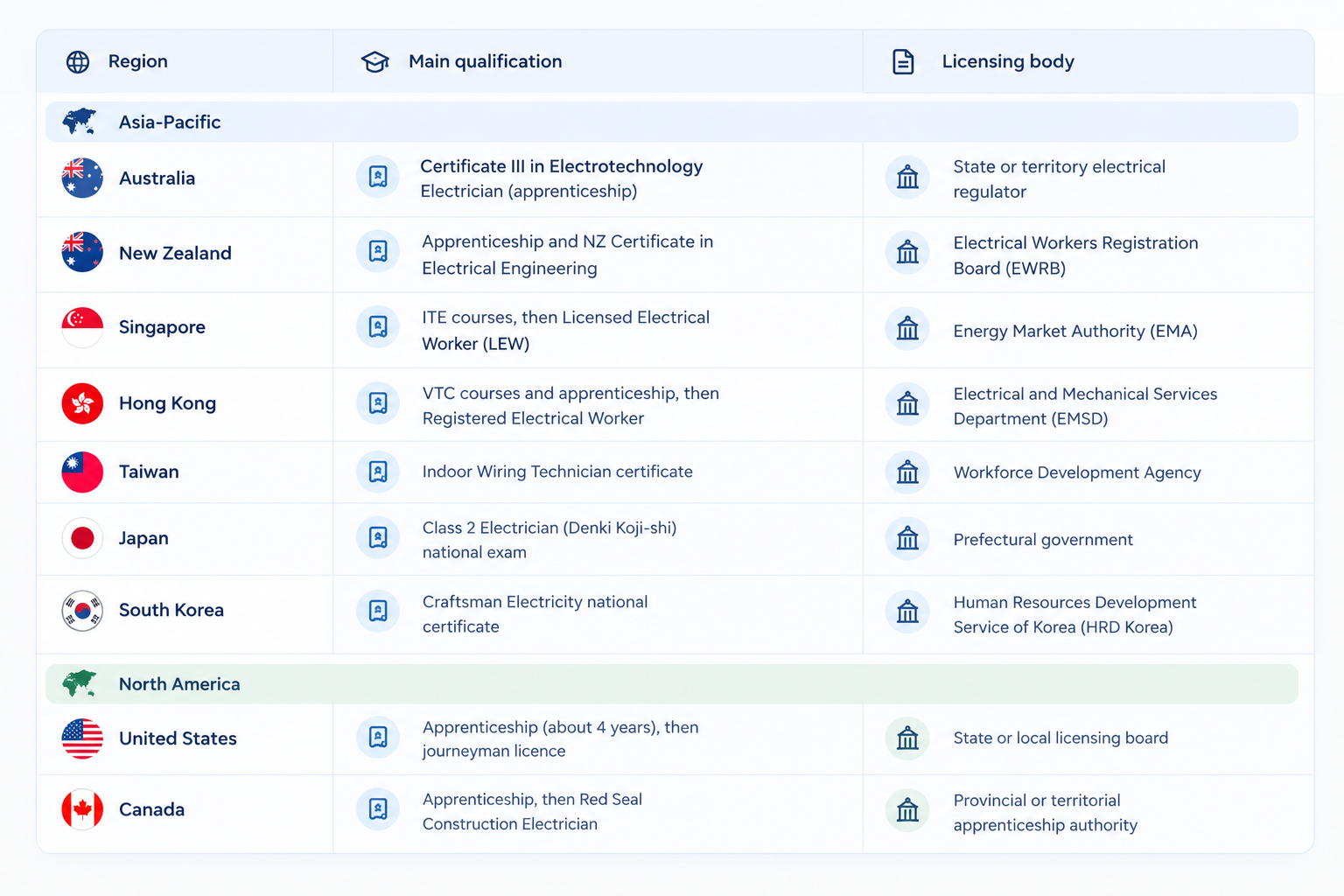
Requirements change, so always check with the licensing body in your region before you enrol.
Is It Worth It?
Pros:
- Essential work with steady, long-term demand
- Good income once qualified, especially with gas or drainage specialties
- Emergency call-outs can pay well
- Clear path to running your own business
Cons:
- Low pay during the apprenticeship
- Dirty, physical work in cramped spaces
- After-hours and emergency jobs can disrupt your schedule
It suits practical problem-solvers who want job security and don't mind getting their hands dirty.
FAQs
How long does it take to become a plumber?
Usually three to five years through an apprenticeship.
Do I need a degree?
No. Plumbers qualify through apprenticeships, not university.
Can I become a plumber at 40?
Yes. Mature-age apprentices are common. Plan for lower income during training.
Is plumbing a good career for the future?
Yes. Buildings will always need water and drainage, and the work is very hard to automate.
Not sure if your current job is at risk? Check your AI risk score for free and see which careers match your skills. brigenai helps you find a career that lasts, with AI tools and real people to guide your switch.






