

Finding a job overseas is exciting, but it can also feel overwhelming when you’re unsure where to start. Whether you want to move for better career opportunities, higher salaries, international experience, or a lifestyle change, having a clear plan makes the process much easier.
The first step is to define your goals clearly. Think about which country you want to work in, what type of role you’re targeting, and whether you’re looking for short-term experience or long-term migration opportunities. Many people focus only on the destination, but employers usually care more about your skills, industry experience, and ability to adapt internationally.
Next, research your target country carefully. Every country has different visa rules, hiring practices, workplace cultures, and expectations for resumes and interviews. For example, New Zealand and Australia often value practical experience and communication skills, while Singapore and Hong Kong may prioritize industry specialization and multilingual ability. Understanding local hiring expectations can significantly improve your chances.
Your resume and LinkedIn profile should also be localized for the market you’re applying to. This includes adjusting formatting, keywords, and highlighting internationally relevant skills. Many overseas employers use applicant tracking systems (ATS), so tailoring your application for each role is important. Platforms like LinkedIn, Indeed, and Seek are commonly used across international markets.
Specialized overseas job platforms can also help. Websites such as Go Overseas, GoAbroad, and OverseasJobs.com focus specifically on international opportunities and visa-sponsored roles. These platforms are especially useful for graduates, working holiday applicants, and professionals looking for relocation support.
Networking is another major factor that many people underestimate. A large percentage of overseas jobs are filled through referrals or professional connections rather than public job ads. Join industry groups on LinkedIn, attend virtual networking events, and connect with professionals already working in your target country. If your university has an alumni network abroad, that can also be extremely valuable.
Visa planning is equally important. Some countries require employer sponsorship before you can legally work, while others offer working holiday visas or skilled migrant pathways. Understanding the visa process early helps you target the right employers and avoid wasting time on roles you may not qualify for. Official immigration websites like Immigration New Zealand and Australian Home Affairs are good places to begin.
Finally, be patient and flexible. Finding an overseas job often takes longer than a local job search. Many candidates spend several months applying, interviewing, and arranging relocation. Being open to different cities, industries, or entry pathways can create opportunities you might not have considered initially.
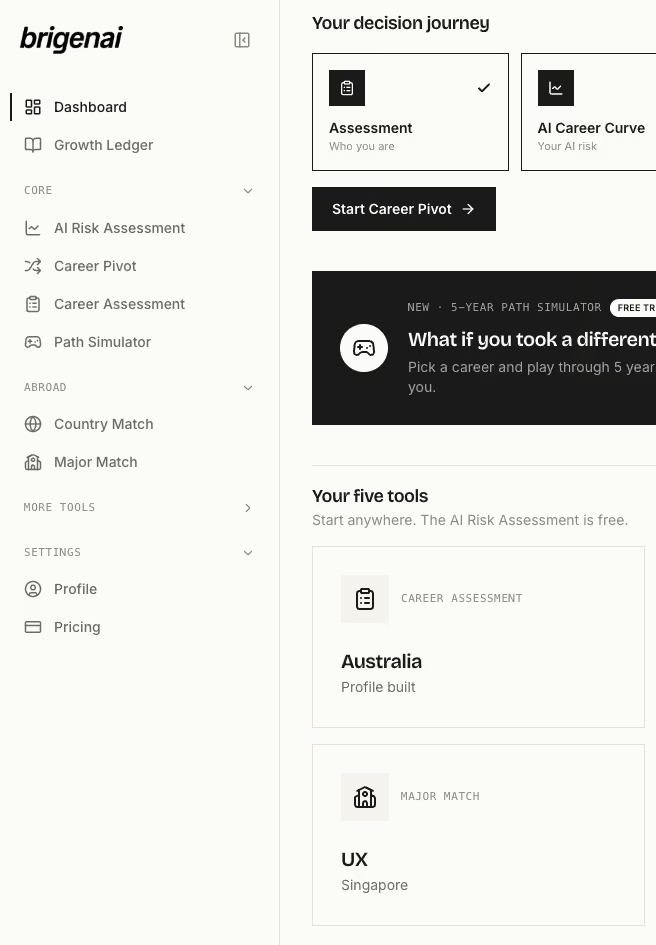
If you’re planning to build an international career, using AI-powered career guidance can also help you understand overseas workplace culture, resume expectations, salaries, and career strategies before you move. Platforms like BRIGENAI are designed to help international talents prepare for working abroad with personalized career and relocation guidance.