

A UX hiring manager shares practical advice for international students and entry-level designers on how to break into the job market abroad, with tips on portfolios, visas, and interviews that really work.
Getting started in UX design can be tough, especially for international students, recent graduates, or those changing careers. Many people spend months applying for jobs, updating their portfolios, and learning new tools, but still find it hard to land opportunities.The truth is, employers don’t just look for software skills. They want designers who can solve problems, communicate well, and understand how design affects business results.If you’re studying abroad, about to graduate, or searching for your first UX job, these tips can help you avoid common mistakes.
1. Stop building a portfolio of fake projects
Recruiters can spot a "redesign the Spotify app" case study right away, and it doesn’t impress them. What stands out are projects based on real, sometimes messy problems, like helping your university’s international student office, doing freelance work for a local business, or volunteering for a community group. One real client conversation is worth more than five polished personal projects. If you don’t have a real client yet, look for one. Local nonprofits or student groups often need help and are likely to say yes.

2. Lead with the problem, not the screens
Junior portfolios often focus too much on final UI designs. Senior portfolios start with the problem, the main challenge, and the key decisions. A hiring manager usually spends about 90 seconds on your portfolio before deciding to keep reading. Use that time to show your thinking, not just the number of screens you made. One strong case study is better than four weak ones, so trim your portfolio before adding more.
3. Translate your visa status into a one-line confidence statement
International people often hide their visa status in HR paperwork instead of stating it clearly. If you have work rights, like a post-study work visa, a path to permanent residency, or are eligible for sponsorship, mention it clearly in your resume header or cover letter: "Eligible to work full-time in [country], no sponsorship required for [X years]." This one line can remove a hiring manager’s biggest concern before they even look at your portfolio. Reading real experiences from international marketers working in these markets is a fast way to find that kind of local context before you build your case study.
4. Localize your case studies to the market you're applying to
A case study focused on a problem from your home country can backfire if the hiring team doesn’t understand the context. When you can, choose or adjust your projects to fit local issues, like local transit, government services, or retail. This shows you understand the culture you’re designing for, not just the tools.
5. Network on LinkedIn like it's your job, not an afterthought
Cold applications often get ignored. A short, specific message to a designer at a company you admire, asking a real question about their work (not for a job), is more likely to get a response. Focus on quality, not quantity: five meaningful conversations a week with people in your target market are better than sending fifty generic applications. International students often don’t realize how valuable a single warm referral can be in smaller job markets like Singapore or New Zealand, where teams are small, and reputations spread quickly. With the "tell me about a time" interview format. If you're not sure what your visa actually allows, it's worth checking your specific situation with BrigenAI's AI advisor before you guess wrong on a resume.
Behavioral interviews aren’t used everywhere. Many international candidates come from education systems that emphasize technical accuracy rather than storytelling. Practice the STAR format (Situation, Task, Action, Result) out loud, not just in your head. Try recording yourself once. You’ll notice gaps in your story you didn’t realize were there.
7. Pick your first job for the mentor, not the logo
Your first UX job will influence how you think for years to come. Working on a small team with a senior designer who reviews your work each week will teach you more than joining a big brand where you’re just one of many designers and don’t get much feedback. When you get an offer, ask in the interview: "Who would be reviewing my work day to day?" The answer will tell you a lot.
8. Treat AI tools as your speed advantage, not your shortcut
Hiring managers now check if junior candidates can use AI tools to work faster, like for wireframing, copywriting, or research, without losing their critical thinking. Don’t just say you use AI—explain in your interview how you used an AI tool to speed up a task, and be ready to share what you changed when the AI’s first draft wasn’t right. That difference shows you use AI thoughtfully, not just rely on it.
9. Don't wait for a "UX Designer" job title to start applying
Entry-level UX jobs are often listed among broader titles like Product Designer, Digital Experience Associate, or even Marketing Coordinator with some UX tasks. International students who only search for exact job titles miss many real opportunities. Instead, search by skills and responsibilities, and read the job description before deciding if a role is right for you. Read the job description, not just the title or browse entry-level marketing roles across APAC on BrigenAI's jobs board, which is organized by skill, not just title.
10. Build your case for staying before you need to
In markets where visas matter, your best negotiating position is built quietly in your first six months: keep records of your achievements, written feedback from your manager, and a clear story of your impact. When it’s time to talk about sponsorship or an extension, you’ll already have proof ready, instead of scrambling to remember what you did months ago. Ask for feedback often and keep a simple log. This helps both your confidence and your visa case.
The real takeaway
This advice isn’t about working harder than local candidates. It’s about fixing specific gaps, like visa clarity, understanding the local market, interview style, and building your network—things that aren’t about design skills. International students who treat the job search like a design problem, using research and iteration, often do better than those who just keep sending out the same resume.
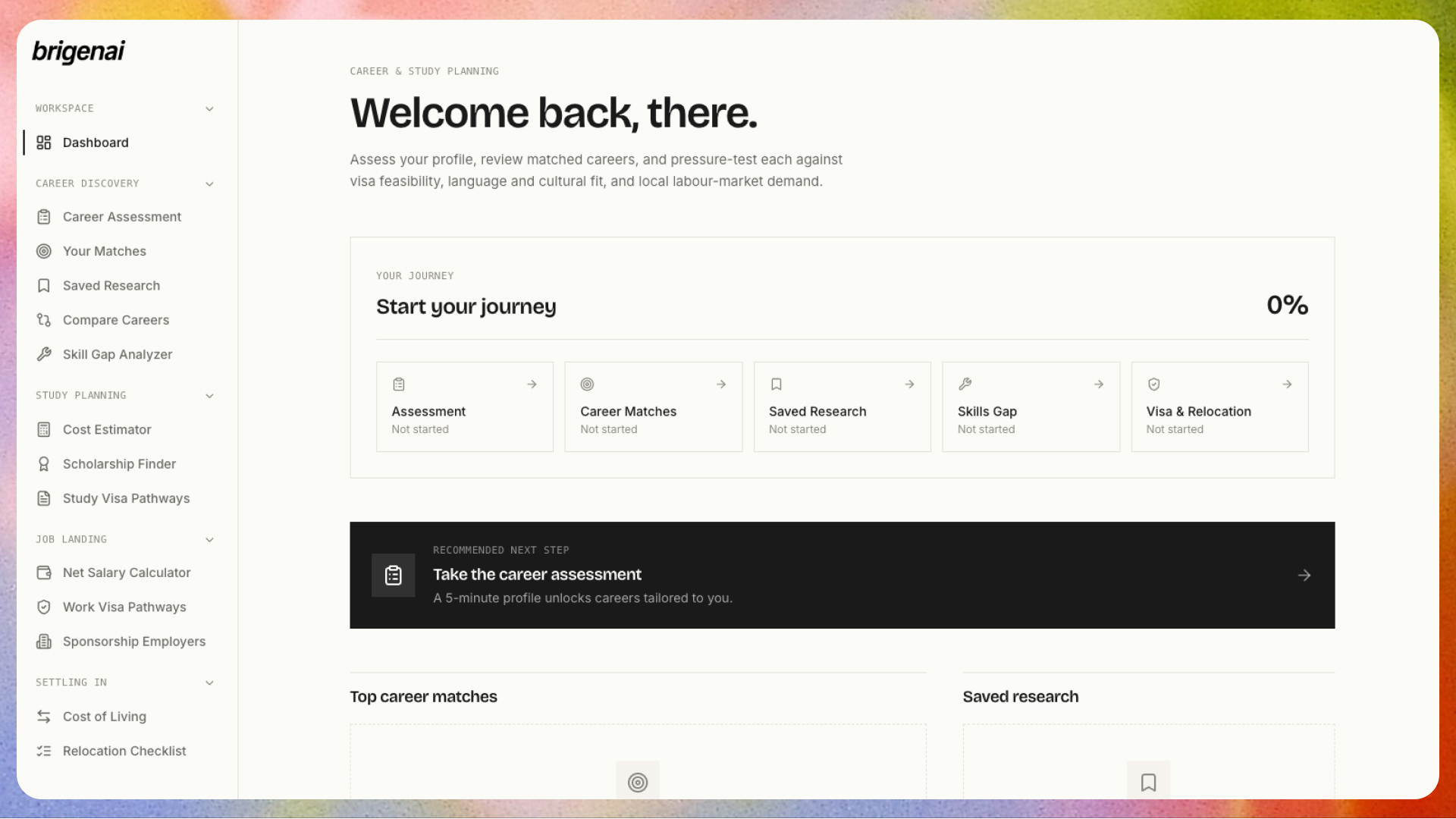
If you’re searching for jobs in several countries at once, comparing visa options, salaries, and entry-level demand in places like Australia, New Zealand, Singapore, and Taiwan, using platforms made for this purpose can save you months of scattered research. BrigenAI brings together real conversations from international students and professionals in these markets, along with AI-powered career advice, so you don’t have to piece everything together from lots of different forums. You can compare visa pathways and entry-level demand across these countries on brigenai.
we built it partly because of how scattered that research usually is, pulling together real posts from international students and working professionals across these markets, alongside AI tools to help make sense of it.