

Cultural conflicts in Chinese workplaces: core differences
Most workplace culture clashes between expatriates and Chinese colleagues do not start with a dramatic confrontation. They start with a misread silence, a decision that seemed to bypass the team, or feedback that was offered bluntly and received as a deep personal offence. Understanding the structural differences underneath these moments is the first step to addressing them.
High-context communication and the meaning of silence
Chinese workplace communication is high-context. Meaning is conveyed through tone, timing, context, and what is not said, rather than through explicit statements. When a colleague goes quiet in a meeting, that silence often carries significant weight. It may signal disagreement, discomfort, or deference to a senior, not passive agreement. Silence in meetings from hierarchical or indirect communication styles is frequently misread by Western managers as consent or disengagement, which leads to missed feedback and stalled projects.
Hierarchy and power distance
Chinese workplaces reflect high power distance. Decisions flow from the top, and openly challenging a manager, particularly in front of others, is considered highly inappropriate. Expatriates from lower power distance cultures often interpret this as a lack of initiative or critical thinking. In reality, it reflects deeply held respect for authority structures. Differential leadership that works with this hierarchy rather than against it has been shown to reduce counterproductive behaviour and improve team performance.

Confucian values and relational expectations
Confucian principles shape loyalty, group harmony, and interpersonal boundaries in Chinese workplaces. Employees prioritise collective wellbeing over individual expression, which means conflict is often suppressed in public and addressed through indirect channels. 70% of the global workforce operates under collectivist and hierarchical cultures, yet Western expatriate managers often default to individualistic leadership styles that can alienate Chinese colleagues who find them disruptive or disrespectful.
Pro Tip: When asking for opinions in a group setting, try one-on-one follow-up conversations instead of open-floor questioning. You will get far more honest feedback, and your Chinese colleagues will feel respected rather than put on the spot.
Types of conflicts you will actually encounter
Recognising the specific shape of a conflict helps you respond to what is actually happening rather than what you assume is happening. Cultural conflicts in Chinese workplaces tend to fall into three broad categories, and each requires a different response.
At the centre of all three types sits the concept of Mianzi (face). Preserving face is not superficial politeness. It is integral to demonstrating trustworthiness. Publicly calling out a mistake, even gently, can cause lasting damage to a professional relationship. Similarly, Guanxi, the web of reciprocal relationships that underpins Chinese business culture, determines who gets heard, who gets helped, and who gets opportunities. Ignoring these dynamics does not make them disappear. It simply puts you outside them.
“The most expensive cultural barriers are not dramatic confrontations but subtle operational mismatches, the misread silence, the bypassed approval, the direct feedback that lands as an attack. These compound quietly until the relationship or the project breaks down.”
Strategies to resolve and prevent cultural conflicts
Good intentions get you started, but shared communication norms are what actually keep intercultural teams functioning. Here are the most effective approaches for addressing workplace culture clashes before they become crises.
Pro Tip: If you receive no pushback on a proposal in a formal meeting, do not take it as approval. Schedule informal one-on-one conversations with key team members afterwards. The honest response often comes over tea, not in the conference room.
Contrasting outcomes: two approaches in practice
The difference between a failed and a successful cultural integration often comes down to one thing: whether the expatriate adapted their approach or expected their team to do all the adjusting.
FactorUnsuccessful approachSuccessful approachCommunication styleRelied on direct, open-floor feedback sessionsAdopted indirect feedback channels and one-on-one conversationsHierarchy awarenessDelegated tasks without managerial sign-off, causing confusionRespected approval processes and kept senior staff informedFace managementCorrected mistakes publicly, causing resentmentAddressed concerns privately, maintaining colleague dignityGuanxi buildingFocused exclusively on task deliveryInvested time in informal relationship-building and reciprocal gesturesResponse to silenceInterpreted quiet as agreementFollowed up individually to uncover actual viewsOutcomeTeam disengagement, project delays, high turnoverStrong team cohesion, open informal communication, consistent performance
The unsuccessful scenario is not hypothetical. Cultural friction slows decision-making, reduces engagement, and damages relationships in intercultural teams. The silent team member who never offers their view in a group meeting often holds critical knowledge. When that person is never heard because the format does not accommodate their communication style, the whole team pays the price.
Language proficiency matters here too. Expatriates who make an effort with Mandarin, even at a basic level, signal respect and willingness to meet their colleagues partway. It rarely goes unnoticed.

Long-term integration: building a sustainable career in China
Conflict resolution is a start, but understanding Chinese workplace dynamics for the long haul requires a different mindset entirely. Here is what sustainable integration actually looks like in practice.
For mid-career professionals making a significant move into Chinese workplaces, these habits are not optional extras. They are the foundation of a sustainable career.
My take: what most expats get wrong
I have seen genuinely talented professionals stall completely in Chinese workplaces not because they lacked technical ability but because they treated every cultural friction point as a people problem rather than a systems problem. When a colleague is quiet in a meeting, the instinct is to assume they are disinterested or uninformed. It rarely crosses someone’s mind that silence might be the culturally appropriate response to a senior colleague being present.
What I have found consistently is that impatience is the biggest career killer for expats in China. People want Guanxi to happen in weeks. They want trust to be established in a single dinner. And when it does not, they conclude that their Chinese colleagues are closed off or political. The reality is that you are simply asking for something that takes time by design.
The other misconception I encounter is the idea that once you understand the rules, you can apply them mechanically. Knowing that face matters does not mean you know how to preserve it in a specific moment with a specific person. That comes from genuine relationship investment, not cultural theory. The expats who thrive long-term in Chinese workplaces are not the ones who read the most about Chinese culture. They are the ones who stayed curious, stayed humble, and kept showing up even when they got it wrong.
How Brigenai helps you prepare
Planning a move to China or somewhere else in the Asia-Pacific region means doing more than researching cost of living and visa requirements. The workplace integration piece is where careers succeed or struggle, and Brigenai is built specifically for that challenge.
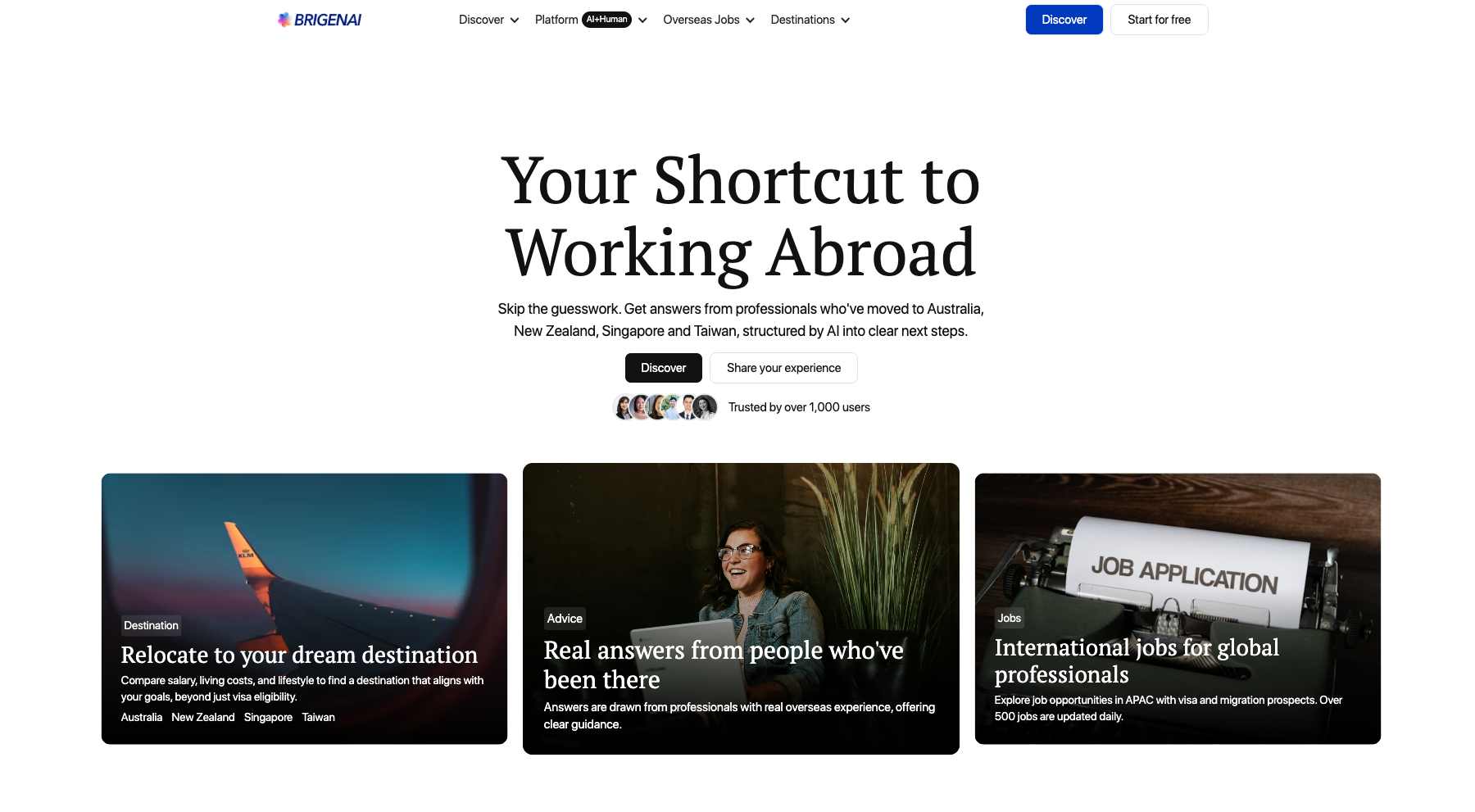
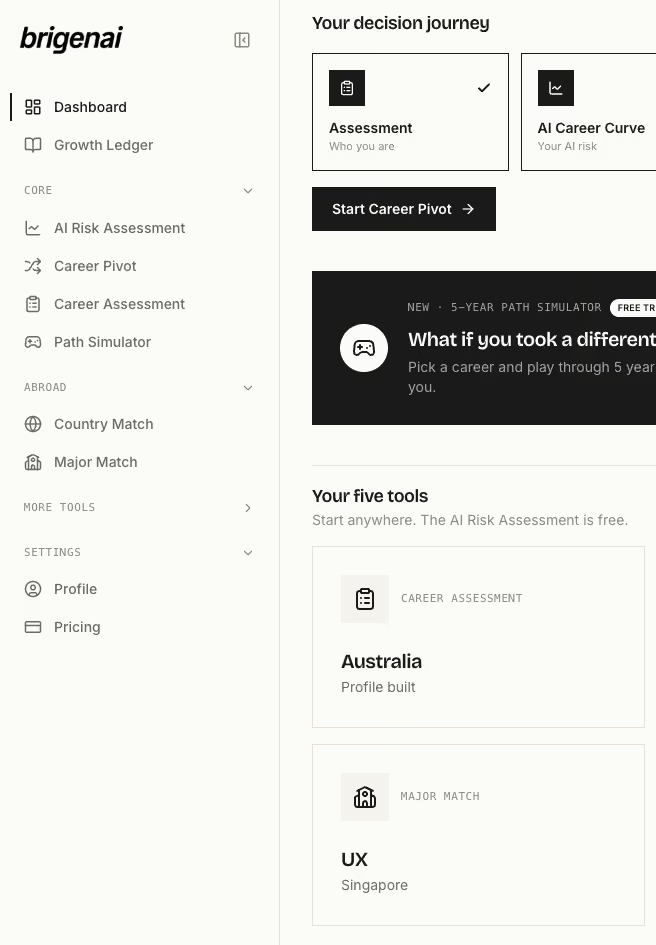
Brigenai offers AI-powered tools to help you map your skills to visa occupations in Australia and New Zealand, plan your move with a structured relocation checklist, and access a full suite of resources through the expat tools hub. Whether you are preparing for a first international posting or making a mid-career transition, Brigenai gives you structured, experience-backed guidance drawn from people who have made these moves themselves. Explore what is available and start your preparation with clarity.
FAQ
What causes cultural conflicts in Chinese workplaces?
Cultural conflicts in Chinese workplaces most commonly arise from mismatched communication styles, differences in hierarchy expectations, and contrasting approaches to feedback and conflict expression. These are structural differences, not personality issues.
How does ‘face’ affect workplace conflict in China?
Preserving face (Mianzi) is central to professional trust in China. Publicly criticising or embarrassing a colleague can cause lasting damage to a working relationship, even when the intent is constructive. Address sensitive issues privately wherever possible.
What is Guanxi and why does it matter for expats?
Guanxi refers to the network of reciprocal relationships that underpins Chinese business culture. It determines access to information, opportunities, and goodwill. Building Guanxi takes consistent, genuine investment over time and cannot be manufactured quickly.
How should expats handle silence in Chinese workplace meetings?
Silence in a Chinese workplace meeting often signals deference to authority or careful consideration rather than agreement. Follow up with individual conversations after meetings to surface honest feedback that may not emerge in a group setting.
Can expats adapt to Chinese workplace culture without losing their identity?
Yes. Successful integration is about expanding your communication and relationship repertoire, not replacing who you are. Chinese colleagues value authenticity and consistency. The goal is cultural fluency alongside personal integrity, not imitation.