

TL;DR:
- Proper preparation, including visa, qualification, and financial planning, is crucial for successful relocation.
- Breaking down the move into research, documentation, logistics, and settlement phases makes the process manageable.
- Seeking professional guidance and building relationships early increase adaptability and long-term success abroad.
Moving to another country as a skilled professional can feel like being handed a 500-piece puzzle with no picture on the box. There are visa categories to decode, qualification recognition processes to navigate, financial systems to understand, and a completely new job market to break into. The good news is that thousands of Asia-Pacific professionals make this move successfully every year, and the difference between a smooth relocation and a stressful one almost always comes down to preparation. This guide gives you a clear, practical roadmap covering everything from pre-move essentials to settling in and building your career abroad.
Table of Contents
- Understanding the essentials: What you need to know first
- Step-by-step process: Organising your move
- Common pitfalls and how to avoid them
- What to expect after arrival: Settling in and building your career
- A fresh perspective: Why your mindset and preparation determine your success
- How BRIGENAI can support your global move
- Frequently asked questions
Key Takeaways
| Point | Details |
|---|---|
| Start early | Early preparation for qualifications, documents, and finances reduces relocation risk. |
| Follow a proven process | Using a step-by-step checklist makes complex moves manageable and repeatable. |
| Avoid common mistakes | Learning from others helps you sidestep costly delays and bureaucratic hurdles. |
| Seek support | Professional advisors and relocation tools offer real advantages, especially for skilled migrants. |
Understanding the essentials: What you need to know first
Before you book a single flight or sign a single lease, you need to get across the legal, professional, and financial basics. Skipping this stage is the single most common reason skilled migrants experience costly delays.
Visa and occupation eligibility is your starting point. Most destination countries in the Asia-Pacific region, including Australia, New Zealand, Singapore, and Hong Kong, operate skills-based migration systems. This means your occupation must appear on an approved list before you can apply for most skilled visas. Understanding skilled occupation requirements is crucial because applying for the wrong visa category wastes months of time and application fees.
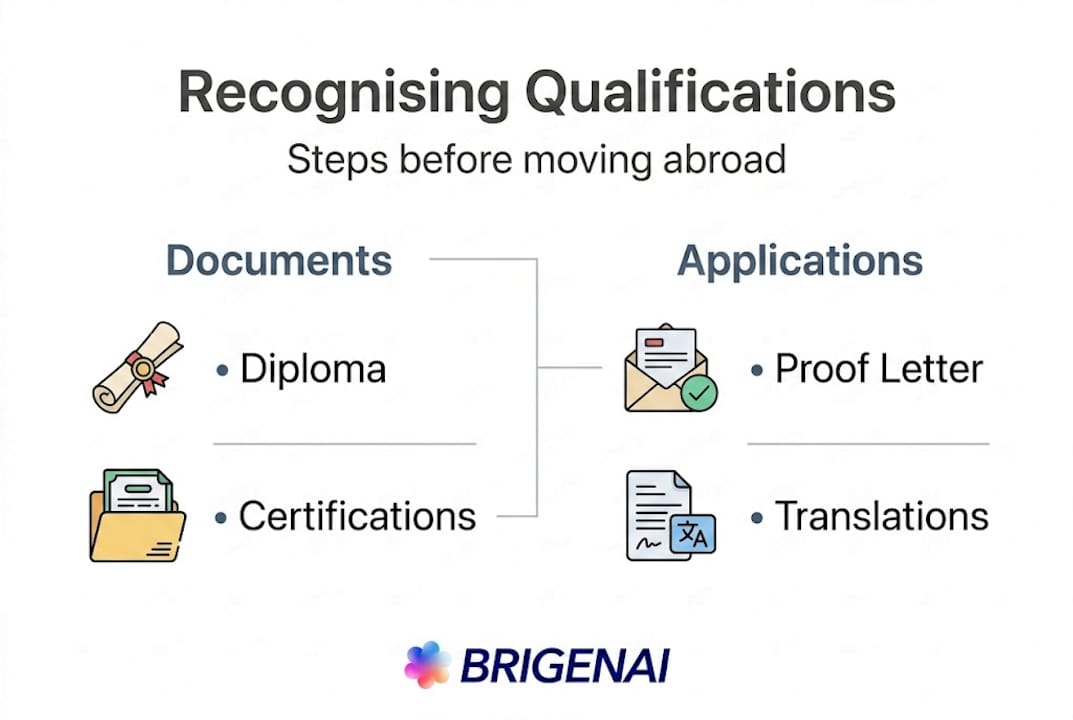
Professional qualification recognition is equally critical and often underestimated. A nursing degree, engineering qualification, or teaching credential earned in the Philippines, India, or Vietnam may not automatically transfer. Each country has its own assessing body, and the process can take anywhere from six weeks to over a year depending on your profession and destination.
Financial planning deserves serious attention before you move. You need to understand your future tax residency status, because moving abroad typically changes how and where you pay income tax. An international tax comparison across your shortlisted destinations can reveal significant differences in take-home pay that affect your quality of life far more than the headline salary figure suggests.

Pro Tip: Start your qualification recognition process at least six months before your intended move date. Many professionals discover mid-application that they need additional documentation from their home country, and sourcing certified translations or official transcripts across borders takes time.
Here is a quick overview of key pre-move requirements across popular APAC destinations:
| Requirement | Australia | New Zealand | Singapore | Hong Kong |
|---|---|---|---|---|
| Skills assessment required | Yes | Yes | Varies by visa | No |
| Occupation list applies | Yes | Yes | Yes (EP/S Pass) | No |
| Tax residency rules | Yes | Yes | Yes | Yes |
| Credential recognition body | VETASSESS, Engineers Australia, etc. | NZQA, relevant boards | MOM guidelines | Relevant professional boards |
| Typical processing time | 3 to 12 months | 3 to 8 months | 3 to 8 weeks | 4 to 12 weeks |
“The professionals who arrive best prepared are those who treated the pre-move phase like a project, not an afterthought. Every week of early preparation saves two weeks of scrambling later.” — Experienced relocation adviser
Understanding living costs and realistic salary expectations is also part of this foundation. Sydney and Singapore are among the most expensive cities in the world, while Kuala Lumpur and Taipei offer significantly lower costs of living. Running a proper comparison before committing to a destination gives you a realistic picture of what your life will actually look like on the ground.
Step-by-step process: Organising your move
With the essentials understood, the next task is mapping out your entire move in a logical sequence. Trying to do everything at once is overwhelming. Breaking it into phases makes it manageable.
Phase 1: Research and decision (6 to 12 months out)
- Identify your target destination and confirm your occupation is eligible
- Research visa pathways and select the most appropriate category
- Begin qualification recognition with the relevant assessing body
- Research salary ranges and cost of living in your target city
- Connect with professionals already working in your field abroad
Phase 2: Documentation and application (3 to 6 months out) 6. Gather all required documents: passport, qualifications, employment history, police checks 7. Obtain certified translations of any non-English documents 8. Lodge your visa application and track its progress 9. Notify your current employer of your intended departure timeline 10. Arrange financial accounts, including international transfers and a bank account in your destination country
Phase 3: Logistics and preparation (1 to 3 months out) 11. Secure short-term accommodation for your arrival period 12. Research transport options and local healthcare registration 13. Arrange shipping of personal belongings if needed 14. Understand the role of a career consultant in helping you enter a new job market strategically 15. Create digital backups of every important document
Phase 4: Arrival and settlement (first four weeks) 16. Register with local authorities and obtain your resident identification 17. Open a local bank account and set up utilities 18. Begin active networking and job searching if not already employed 19. Register with local healthcare providers
Pro Tip: Keep a dedicated folder, both physical and digital, containing copies of every document you submit or receive during this process. Visa offices, employers, and landlords will all ask for documents you’ve already provided elsewhere. Having everything organised saves hours of frustration.
One of the biggest decisions you’ll face is whether to manage the move yourself or use a professional relocation service. Here’s an honest comparison:
| Factor | DIY relocation | Agency-assisted relocation |
|---|---|---|
| Upfront cost | Low | Medium to high |
| Time investment | Very high | Moderate |
| Risk of errors | Higher | Lower |
| Local knowledge | Limited | Extensive |
| Stress level | High | Moderate |
| Best suited for | Experienced movers, simple cases | First-time movers, complex visa situations |
Visa guides and resources offer structured support for each stage of relocation, which is particularly valuable if you’re navigating a complex visa pathway or moving with dependants. The structured support from a good relocation services breakdown can also help you avoid the mistakes covered in the next section.
Common pitfalls and how to avoid them
Even with a solid plan, there are predictable traps that catch skilled migrants off guard. Knowing them in advance gives you a real advantage.
The most common pitfalls include:
- Missed application deadlines: Visa applications, skills assessments, and employer nomination processes all have strict timelines. Missing one can mean restarting from scratch.
- Incomplete or inconsistent paperwork: A single discrepancy between your CV, your qualifications, and your visa application can trigger a request for further information, adding weeks to your timeline.
- Underestimating setup costs: The first three months abroad are expensive. Bond payments, furniture, transport setup, and professional registration fees add up quickly and often exceed initial estimates.
- Failing to get legal advice: Many migrants try to navigate complex visa conditions without professional guidance. Immigration assistance from a registered migration agent can prevent errors that are very difficult to correct after the fact.
- Ignoring tax obligations: Not understanding your tax residency status from day one can create serious complications at tax time, particularly if you still hold assets or income sources in your home country.
- Relying on outdated information: Migration rules change frequently. Forum posts from two years ago may describe processes that no longer exist. Always verify information against official government sources or current professional advice.
“Costly mistakes in the relocation process, whether a missed document, a wrong visa category, or an overlooked tax obligation, can put your entire move at risk if not proactively managed.”
Pro Tip: Use dedicated expat tools and checklist apps to track every task, deadline, and document in one place. The cognitive load of an international move is enormous, and a structured digital system prevents things from slipping through the cracks.
Professional relocation services help avoid costly errors and delays, particularly for professionals dealing with employer-sponsored visas or complex family situations. The upfront investment in expert guidance almost always pays for itself in time saved and mistakes avoided.
What to expect after arrival: Settling in and building your career
Having covered the pitfalls, it’s worth looking ahead at what the first weeks and months actually look like. Arrival is exciting, but it also brings a new set of practical challenges.
Your first priority tasks after landing should include:
- Registering with local government authorities and obtaining any required resident identification
- Opening a local bank account (bring your passport, visa, and proof of address)
- Registering with a local GP (general practitioner) or healthcare provider
- Obtaining a local SIM card and setting up essential utilities
- Familiarising yourself with local transport systems
For job market entry, your approach needs to be localised. A CV formatted for the Australian market looks different from one suited to Singapore or Hong Kong. Networking matters enormously in most APAC markets, often more than cold applications. Workplace culture insights for your specific destination can help you understand unwritten professional norms that make a real difference in how you’re perceived by potential employers.
Cultural adjustment is real and worth taking seriously. Even professionals moving between relatively similar countries, such as from Malaysia to Singapore or from New Zealand to Australia, encounter differences in workplace communication styles, hierarchy expectations, and social norms. Give yourself permission to observe before you act, ask questions rather than assume, and connect with both expat communities and local professionals.
Here is a summary of support resources available in common destination countries:
| Country | Government settlement support | Professional networks | Expat communities |
|---|---|---|---|
| Australia | MARA-registered agents, settlement services | LinkedIn, industry associations | Expat Facebook groups, Meetup |
| New Zealand | Immigration NZ resources | Industry bodies, LinkedIn | Expat forums, community centres |
| Singapore | MOM resources, community centres | Professional chambers, LinkedIn | InterNations, expat clubs |
| Hong Kong | HKID registration support | Professional bodies, LinkedIn | InterNations, expat networks |
| Malaysia | Immigration Department resources | MDEC, LinkedIn | Expat groups, community networks |
Access to support services and understanding local employment practices are key to long-term success. The professionals who integrate fastest are those who actively seek out both formal support services and informal community connections from day one.
A fresh perspective: Why your mindset and preparation determine your success
Here’s something the standard relocation checklist won’t tell you. The professionals who struggle most after moving abroad are not the ones who had the wrong visa category or forgot a document. They’re the ones who treated relocation as purely a logistical exercise and forgot that they were also moving into a new professional and social identity.
Documents and deadlines are necessary. But adaptability and persistence are what actually carry you through the hard parts. The first three to six months abroad are often genuinely difficult, even for well-prepared, experienced professionals. The job market doesn’t respond as quickly as you hoped. The culture is subtly different in ways you didn’t anticipate. The support network you relied on at home isn’t there yet.
What sets successful relocators apart is a willingness to invest in relationships before they need them. Join the industry association before you have a job. Attend the networking event even when you’re tired. Reach out to someone in your field who made the same move two years ago. These actions feel optional when you’re busy with logistics, but they’re often what actually opens the door to your first role.
The other thing worth saying plainly: seeking help is not a sign of weakness in this process. It’s a sign of strategic thinking. The most successful international career moves we see are made by people who combined their own preparation with the right professional guidance, not by those who tried to figure everything out alone.
Pro Tip: Treat each challenge you encounter after arrival as a data point, not a failure. Every obstacle you navigate builds your understanding of how your new home works. That knowledge compounds quickly and becomes a genuine professional advantage.
How BRIGENAI can support your global move
If you’ve read this far, you already know that a successful international move requires more than a checklist. It requires the right information, the right tools, and the right people in your corner.
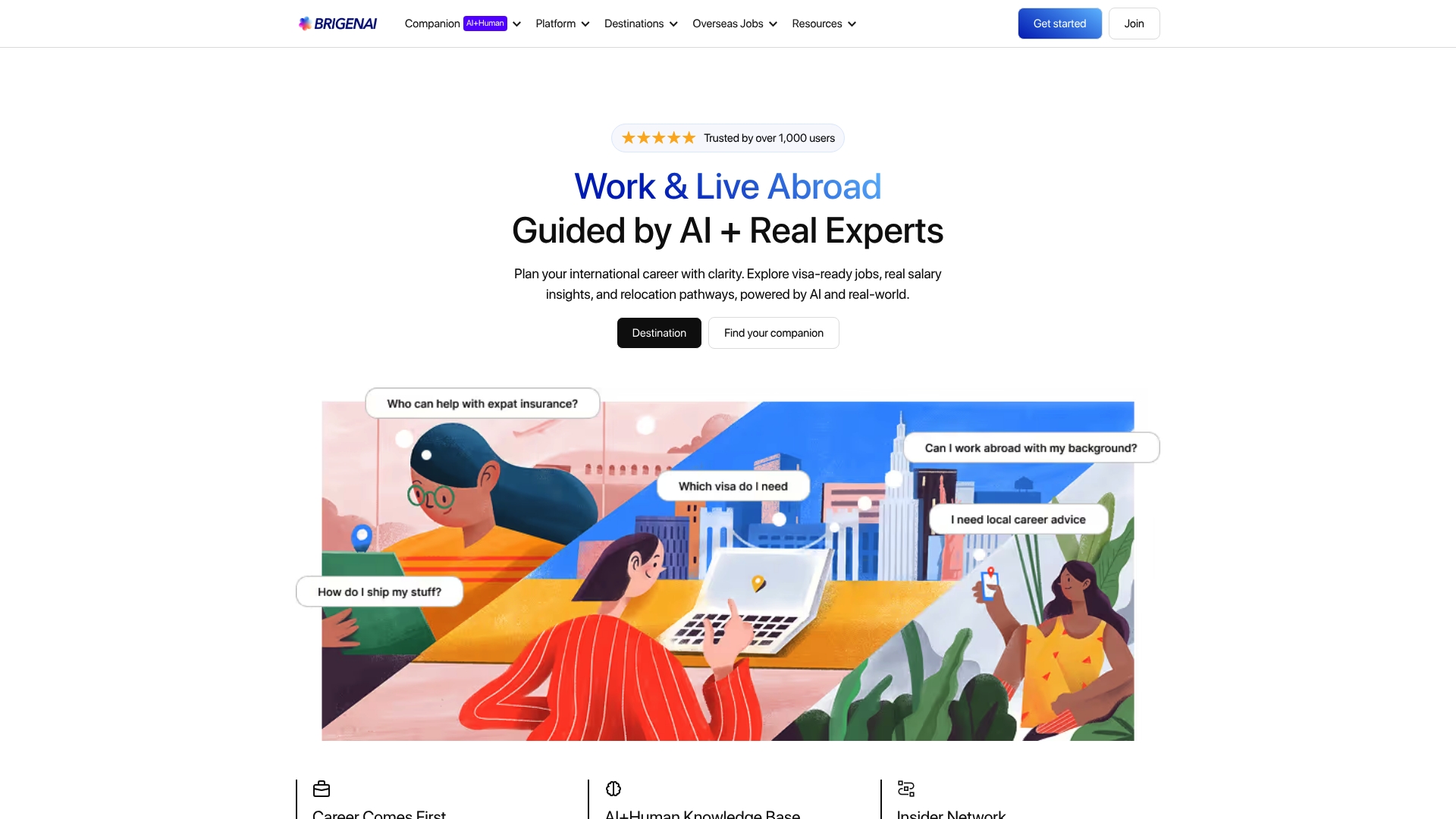
BRIGENAI brings together AI-structured guidance and real human expertise to support every stage of your international career move. From comparing relocation services across destinations to connecting with vetted international career advisors who have made the same journey you’re planning, the platform is built specifically for Asia-Pacific professionals who want clear answers, not generic advice. You can explore visa skills lists, access salary guides, and use free relocation tools, all in one place. Whether you’re six months out from your move or already on the ground trying to navigate your first weeks, BRIGENAI gives you a structured, trustworthy path forward.
Frequently asked questions
What documents do I need to move to another country?
You’ll generally need a valid passport, relevant visa, proof of qualifications, and evidence of financial support. Checking occupation eligibility requirements for your destination country early will also clarify any additional documentation needed for your specific profession.
How much money should I save before relocating?
Aim for enough to cover three to six months of living expenses, factoring in the cost of setup, travel, and any bridging periods between jobs. Costs vary significantly by destination, so research your specific city before setting a savings target.
Are my professional qualifications recognised in another country?
Recognition varies widely by profession and destination; check with official occupation lists and start the process well before applying for jobs. Some professions require formal skills assessments that can take several months to complete.
Do I need to pay taxes in both countries?
This depends on tax treaties between your home and destination country and your residency status, so research your specific situation or seek professional advice before moving. An international tax comparison across your shortlisted destinations is a practical starting point.
What support is available for skilled migrants after arrival?
Many countries offer settlement services, expat networks, and workplace integration programmes for new arrivals. Relocation support services can also connect you with vetted professionals across immigration, housing, and career guidance to help you get established quickly.