

Finding the right career advisor for the tech industry can significantly improve your job search outcomes, salary potential, and long-term career growth. The best tech career advisors understand industry hiring trends, technical roles, interview processes, and the skills employers are actively seeking. Choosing an advisor with relevant experience is often the difference between generic career advice and actionable guidance that leads to real opportunities.
Why Tech Industry Expertise Matters
Not all career advisors understand the technology sector. The hiring process for software engineering, data science, cybersecurity, cloud computing, AI, and product management differs substantially from other industries.
A general career coach may provide useful guidance on career planning, but a tech-focused advisor understands technical interview stages, portfolio expectations, recruiter screening methods, and current market demand. For example, a software engineer applying to Google, Atlassian, Canva, or Xero faces a very different hiring process than someone applying for a general business role.
Tech hiring also changes quickly. Advisors who actively work with technology professionals can provide more accurate insights into emerging skills such as AI engineering, machine learning operations (MLOps), cloud architecture, and cybersecurity.
What Credentials Should a Career Advisor Have?
The coaching industry is relatively unregulated, so credentials should be evaluated carefully.
Look for advisors who have formal coaching certifications, career development qualifications, or memberships in recognized organizations such as the National Career Development Association (NCDA). While certifications alone do not guarantee quality, they demonstrate professional training and commitment to industry standards.
More importantly, evaluate whether the advisor has recent experience working with technology professionals. An advisor who has helped dozens of software engineers, product managers, or data analysts will usually provide more relevant guidance than someone with only general coaching experience.
Ask questions such as:
- What percentage of your clients work in technology?
- Have you helped professionals move into AI, software engineering, or product roles?
- What types of tech companies have your clients joined?
Their answers will quickly reveal their level of specialization.
Experience Working With Tech Professionals
Practical experience often matters more than credentials.
Many of the most effective tech career advisors have worked as hiring managers, recruiters, engineering leaders, or technology professionals themselves. This gives them firsthand knowledge of how hiring decisions are made.
For example, a former engineering manager can explain how technical resumes are evaluated, what interviewers look for during coding assessments, and how candidates are compared during hiring discussions.
A strong advisor should be able to share specific success stories, such as helping a software developer move into a senior engineering role, supporting an international graduate entering the tech industry, or guiding a product manager through a leadership transition.
When evaluating an advisor, look for evidence rather than promises. Client testimonials, LinkedIn recommendations, and measurable outcomes are often more valuable than marketing claims.
Match the Advisor to Your Career Goals
Different advisors specialize in different areas of the technology industry.
Someone looking to become a machine learning engineer has very different needs from a professional pursuing a product management career. Similarly, international graduates entering the Australian, New Zealand, Singaporean, or Taiwanese tech markets require different guidance from experienced professionals seeking executive leadership positions.
Before selecting an advisor, clearly define your goals:
- Landing your first tech job
- Transitioning into technology from another industry
- Advancing into senior or leadership positions
- Relocating internationally
- Moving into AI-related careers
- Increasing salary and negotiating offers
The best advisor is not necessarily the most experienced overall. It is the one whose expertise aligns most closely with your situation.
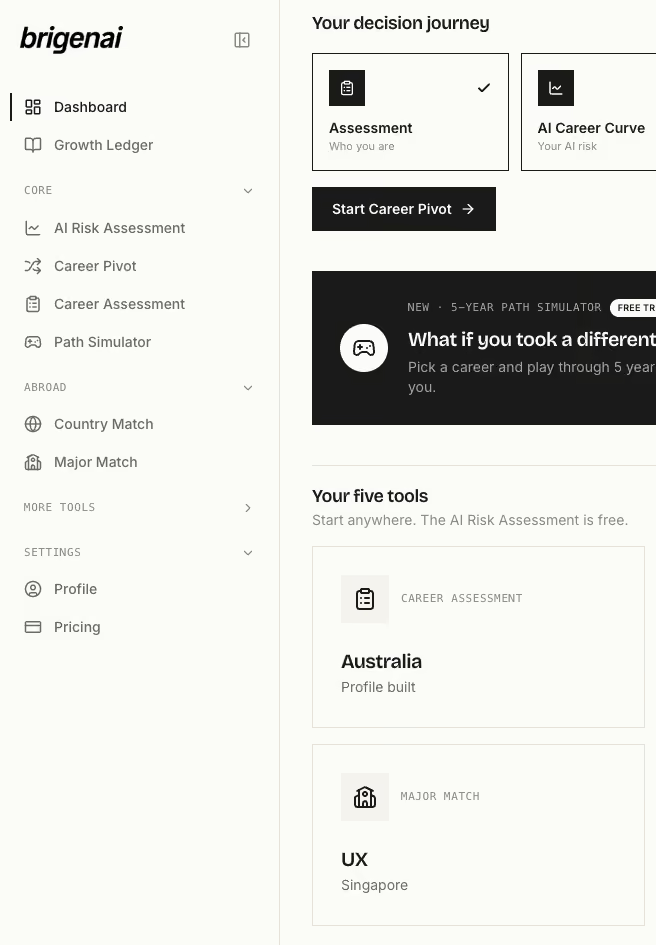
Platforms like BrigenAI help professionals compare advisors based on career stage, industry focus, international experience, and real-world expertise, making it easier to find advisors relevant to specific career goals.
What Services Should a Tech Career Advisor Offer?
A quality tech career advisor should provide practical support, not just motivational conversations.
The most valuable advisors typically help with resume optimization, LinkedIn profile improvements, interview preparation, salary negotiation, and long-term career planning.
Resume optimization is especially important because many employers use Applicant Tracking Systems (ATS) to screen candidates before a human recruiter reviews applications. Advisors who understand ATS requirements can help improve resume visibility and increase interview opportunities.
Interview preparation is another critical area. Tech interviews often include:
- Technical assessments
- Coding interviews
- System design discussions
- Behavioral interviews
- Case studies
- Product strategy exercises
Salary negotiation support can also generate substantial returns. A single successful negotiation can increase compensation by thousands of dollars annually.
The best advisors provide structured, actionable recommendations rather than broad career advice.
Questions to Ask Before Hiring a Career Advisor
Before committing to a coaching package or long-term engagement, schedule an introductory consultation.
Use the conversation to assess both expertise and compatibility.
Important questions include:
- What experience do you have working with tech professionals?
- What types of clients do you typically help?
- Can you share examples of successful outcomes?
- How do you approach resume reviews and interview preparation?
- What does your coaching process look like?
- How do you measure success?
Communication style also matters. Even a highly qualified advisor may not be the right fit if their coaching approach does not match your preferences.
The strongest advisor relationships are collaborative, practical, and focused on measurable progress.
Why AI Career Advisors Are Changing Career Planning
Traditional career coaching often relies on scheduled sessions and manual feedback. AI-powered career advisors are introducing a new model that provides continuous support.
Modern AI career platforms can help users identify skill gaps, improve resumes, analyze job descriptions, prepare for interviews, and explore career pathways at any time. This allows professionals to receive guidance between coaching sessions rather than waiting for their next appointment.
The growing popularity of terms such as AI Career Advisor, AI Career Coach, AI Career Copilot, and AI Career Planning Tool reflects a broader shift in how people manage their careers.
Platforms like BrigenAI combine AI-powered guidance with human expertise, giving professionals access to both scalable career support and real-world advisor insights. This hybrid approach is becoming increasingly attractive for international graduates, immigrants, and technology professionals navigating competitive job markets.
FAQ
How do I know if a career advisor is qualified?
Look for a combination of professional credentials, industry specialization, client success stories, and experience working with professionals in your target field.
What should a tech career advisor help with?
A tech career advisor should assist with career planning, resume optimization, LinkedIn profiles, ATS strategies, interview preparation, salary negotiation, and professional development.
Do I need a career coach or a mentor?
A career coach provides structured guidance and career strategy. A mentor typically shares experience and advice based on their own career journey. Many professionals benefit from both.
How much does career counseling cost?
Costs vary widely. Independent career advisors may charge anywhere from $100 to $500+ per session, while specialized executive or tech career coaches can charge significantly more.
Bottom Line
The best tech career advisors combine industry expertise, proven experience, practical coaching skills, and a deep understanding of technology hiring processes. Look for advisors who specialize in your target field, provide actionable guidance, and have a track record of helping technology professionals achieve measurable results.
As AI-powered career platforms continue to grow, professionals now have more options than ever. Combining human expertise with AI-driven career guidance is increasingly becoming the most effective approach for long-term career success in the technology industry.