

How to move abroad: the prerequisites you cannot skip
Before you arrange a single box or book a single flight, you need to get your foundational documents and finances in order. Skipping this phase is the single most common reason international moves go sideways.

Passports, visas, and entry requirements
Many countries require your passport to be valid for six months beyond your intended entry date. That is not six months from when you leave home. It is six months from when you land at your destination. Check this first, because renewing a passport mid-move adds weeks of stress you do not need.
Visa research comes next. Every destination has different categories covering skilled work, sponsored employment, student visas, and long-stay tourist options. Some countries, like Australia and New Zealand, use points-based systems tied to specific occupations. Others require employer sponsorship before you can even apply. Start this process as early as possible because approval timelines vary wildly.
Pro Tip: Keep both physical and digital copies of every document: passport, visa approval letter, birth certificate, immunisation records, and bank statements. Store digital copies in a secure cloud folder you can access from anywhere.
Health insurance and medical prep
Health coverage is not a last-minute item to tick off before you leave. Many countries require proof of valid health insurance as a condition of your visa application or entry at the border. If you land without it, you may be refused entry or face significant out-of-pocket costs from day one. Research expat health insurance options that meet your destination country’s specific requirements rather than just relying on travel insurance, which typically does not cover long-term stays.
Setting a realistic budget
The cost of moving abroad surprises almost everyone. Beyond your flight and first month’s rent, you need to account for shipping or storage, visa application fees, translation of documents, security deposits, and a financial buffer of at least two to three months of living expenses. Budget carefully by researching your destination’s cost of living in detail, not just the headline rent figures, but groceries, transport, utilities, and healthcare.
Logistics: planning your move step by step
Once your documents are in order and your budget is set, you can move into execution mode. Here is a practical timeline for the steps to relocate overseas without unnecessary chaos.
Pro Tip: Do not ship everything. Replacing cheap furniture in your new country is almost always easier and cheaper than paying international freight costs. Ship sentimental items, professional equipment, and things that are genuinely hard to replace.
Choosing a reputable international moving company is worth the extra cost. Look for companies that are members of recognised moving industry associations, offer itemised insurance, and have clear customs documentation support. International moving tips from experienced platforms consistently highlight that the cheapest quote is rarely the best choice when it comes to overseas freight.
Legal, financial, and tax realities of relocating internationally
This is where many people get caught out. The legal and financial side of moving abroad deserves as much attention as packing.
Visas, work permits, and arrival checks
A visa gets you into a country. A work permit lets you work there. These are two separate things, and work authorisation typically requires additional administrative steps after you arrive, not before. In many countries, you cannot legally begin employment until a physical permit is issued or digital authorisation is granted. Assuming your visa alone covers your first day at work is a mistake that can put both you and your employer at risk.

When you arrive, check your visa stamp immediately. If the entry stamp shows an incorrect date, visa category, or permitted duration, address visa discrepancies at the airport immigration desk before you leave the arrival hall. Resolving this post-departure is significantly more complicated.
Banking and currency management
TaskWhat to doHome country accountKeep it active. Closing it immediately creates problems with ongoing payments and financial history.Host country accountOpen one as soon as legally permitted. Some banks allow this before you arrive.Currency exchangeUse specialist transfer services rather than airport kiosks or your home bank for better rates.Card accessConfirm your existing cards work internationally and notify your bank before departure.
Tax obligations
This is the area most people underestimate. Moving overseas does not automatically end your tax obligations in your home country. American citizens, for example, must continue to file US tax returns regardless of where they live. Overseas taxpayers receive an automatic two-month extension to file, but interest still accrues on any unpaid tax from the original due date. Australians who become non-residents for tax purposes have different rules, but you still need to formally establish that status with the ATO.
Get advice from a tax professional who specialises in expat taxation before you move. The cost of that advice is trivial compared to the penalties for getting it wrong.
Cultural adaptation and building a career overseas
Getting to your new country is one thing. Thriving there requires a different kind of preparation.
The OECD notes that labour market integration depends on both individual effort and support from employers and policy frameworks. That means actively seeking workplaces that have experience with international hires, not just ones that technically allow it.
What I have actually learned from years of watching people move abroad
I have spent years studying how professionals prepare for and execute international moves, and the pattern I keep seeing is this: the people who struggle most are not the ones who picked a difficult destination. They are the ones who underestimated the buffer time required.
Visa processing in particular rarely goes exactly to schedule. Work permit delays after arrival catch people completely off guard because they assumed approval of a visa meant they were ready to work. They are not the same thing, and the gap between the two can leave you unable to earn income for weeks in an expensive new city.
The second thing I have noticed is that cultural adaptation is genuinely an ongoing process, not a one-time adjustment. The people who settle well treat it as a skill they are actively developing rather than a problem they have already solved. They stay curious. They ask questions instead of assuming.
And finally, the people who do best abroad are the ones who connected with communities early. Not just other expats from their home country, but local professionals, neighbours, and colleagues who gave them an honest picture of how life actually works there. Digital tools are excellent, but a conversation with someone who has lived it for five years is irreplaceable.
Plan your move with Brigenai
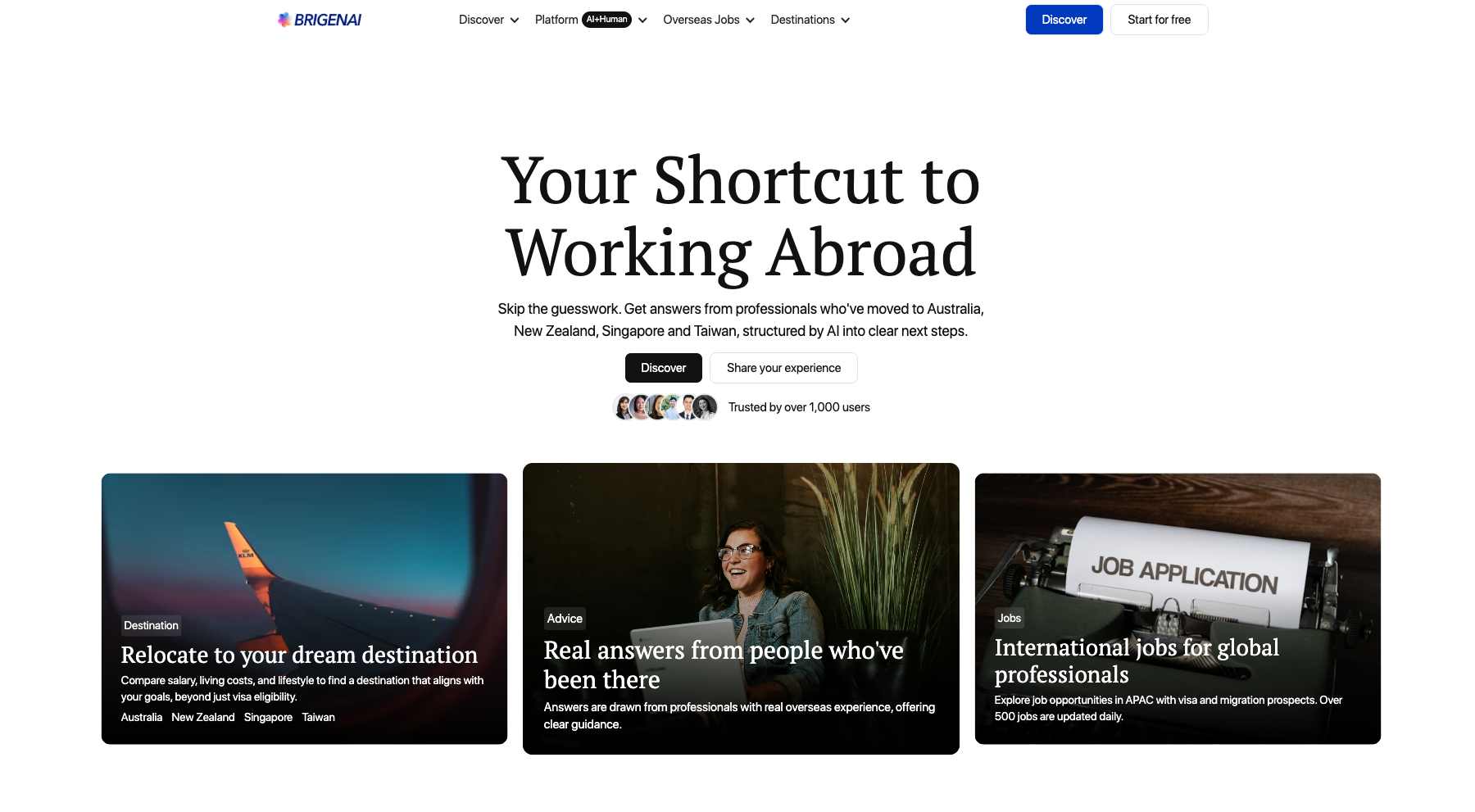
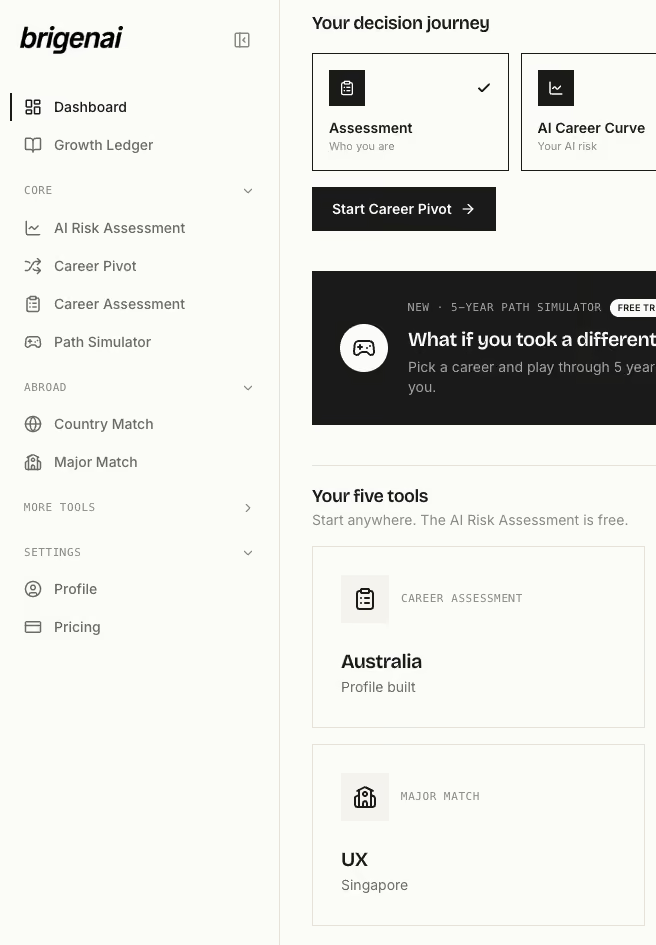
Moving abroad is far more manageable when you have the right tools from the start. Brigenai’s international relocation checklist gives you a structured, step-by-step framework covering documentation, housing, finances, and arrival logistics so nothing falls through the cracks. If you are exploring skilled migration pathways, Brigenai’s skills list tool maps your occupation against visa eligibility in Australia and New Zealand so you know exactly where you stand before you apply. For professionals seeking work overseas, the expat tools hub brings together AI-powered resources built specifically for people planning cross-border careers, from salary benchmarking to cultural insights. Whether you are three months out or just beginning to think about it, Brigenai gives you a clearer picture of what your move abroad actually involves.
Common questions
How long does it take to move abroad?
Planning typically takes 3 to 6 months, with the final four to six weeks focused on bookings, packing, and logistics. Starting earlier gives you more flexibility if visas or shipping take longer than expected.
What documents do I need to move overseas?
You will need a valid passport, approved visa, proof of health insurance, financial records, and personal documents such as birth certificates and immunisation records. Requirements vary by destination, so check the official immigration website for your chosen country.
Do I still pay tax if I move abroad?
That depends on your citizenship and residency status. American citizens must continue to file US tax returns even while living overseas. Australians who become non-residents for tax purposes have different obligations. Always verify with a qualified expat tax adviser before you relocate.
How do I find work after moving abroad for work?
Use job platforms that specifically support international candidates and target employers experienced with overseas hires. Understanding the local international hiring process and networking within professional communities in your destination city significantly improves your chances.
Is health insurance required to move abroad?
In many countries, yes. Proof of health coverage is a condition of visa approval or entry, not just a personal choice. Arrange cover that specifically meets your destination’s requirements well before your departure date.