
Quick answer: No. AI is automating specific calculation and drafting tasks within electrical engineering, but the role itself, designing, testing, and certifying systems that carry real electrical loads, still requires human judgment and legal accountability that AI cannot take on.
Quick facts
- AI Impact: Moderate
- Salary: ~US$112,000 median (US, varies by country and specialization)
- Education: Bachelor's Degree (typically Electrical Engineering or related)
- Key skills: circuit design, power systems analysis, embedded systems
What Does an Electrical Engineer Do?
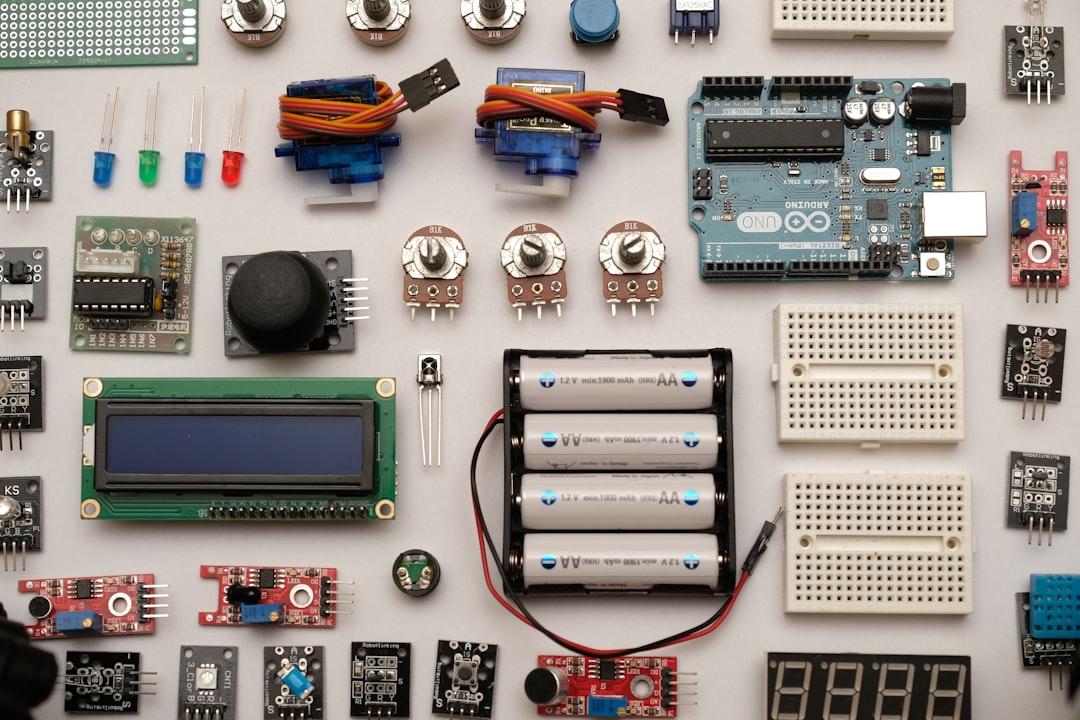
Electrical engineers design, develop, and test equipment and systems that generate, distribute, or use electrical power. That spans a wide range: power grid infrastructure, motors and generators, embedded control systems in vehicles and appliances, telecommunications hardware, and increasingly, systems tied to renewable energy and battery storage.
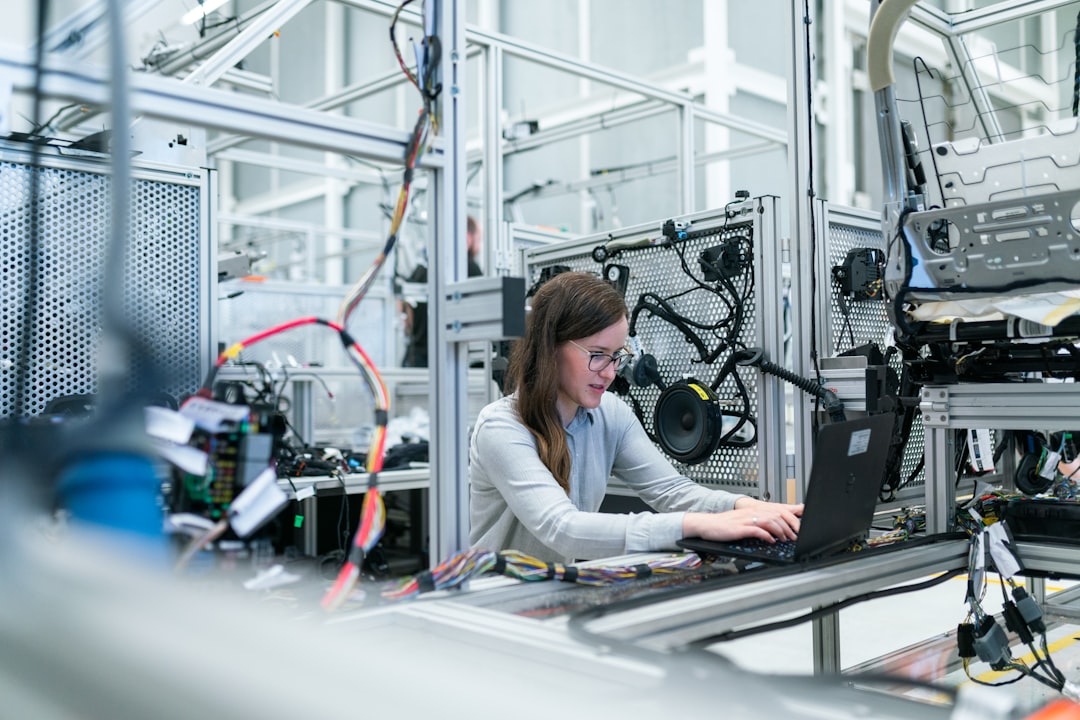
Day to day, the work mixes calculation-heavy design (sizing circuits, modeling load, running simulations), hands-on testing and prototyping, and coordination with other engineering disciplines to make sure a system actually works once it leaves the drawing board. Most electrical engineers also carry compliance responsibilities: designs have to meet safety codes and regulatory standards before they can be built or sold, and someone has to sign off on that.
Will AI Replace Electrical Engineers?
What AI already does well: AI tools can now run circuit simulations faster than manual calculation, auto-generate PCB layouts from a spec, flag design rule violations before a human review pass, and optimize component selection against cost or power constraints. Tools like MATLAB's AI-assisted modules and generative design features in EDA software (e.g. Cadence, Synopsys) are shortening the first-draft phase of design work significantly.
Where humans stay essential: AI-generated designs still need a licensed engineer to validate them against real-world constraints, manufacturing tolerances, safety codes, and edge cases the model wasn't trained on. Regulatory sign-off, in most countries, legally requires a professional engineer's stamp. AI also struggles with novel system integration: getting a new power system to work safely alongside decades-old legacy infrastructure is a judgment call, not a calculation.
"The tools do the math faster. They don't decide what's safe to build." That's roughly how senior engineers in the field describe the shift, and it captures the practical split: AI compresses the design-iteration cycle, but accountability doesn't move.
Where the role is heading: Over the next 3-5 years, expect electrical engineers to spend less time on manual drafting and simulation setup, and more time on system-level design review, cross-disciplinary integration (especially with software and mechanical engineering on connected devices), and specifying requirements for AI design tools rather than doing first-pass design by hand. The job shifts from "calculator" to "reviewer and integrator."
Which Skills Will Still Matter?
- Power systems fundamentals: AI can simulate, but you need to know what a bad simulation looks like.
- Cross-disciplinary integration: especially electrical-software-mechanical handoffs on embedded and IoT products.
- Regulatory and safety literacy: codes vary by country and don't update automatically.
- AI tool fluency: knowing how to prompt, constrain, and validate generative design tools is becoming a core skill, not an optional one.
A degree in Electrical Engineering or Electronics Engineering remains the standard entry point; specializations in power systems, renewable energy, or embedded systems are increasingly valuable given demand trends below.
Career Outlook
Demand for electrical engineers is projected to grow at a stable to moderate pace, driven largely by renewable energy infrastructure, grid modernization, and electric vehicle systems. The US Bureau of Labor Statistics lists median pay around US$112,000 as of 2024, with growth roughly in line with the average for all occupations, faster in subfields tied to clean energy and semiconductors.
Regionally, demand is strongest wherever governments are actively investing in grid upgrades and renewable capacity, which increasingly includes several APAC markets alongside the traditional US and Western Europe hubs. Browse more engineering career paths to compare options.
Study and Work Abroad

Study Abroad
- Australia: Strong industry ties to mining, energy, and renewables; University of Melbourne offers well-regarded electrical engineering programs with post-study work visa pathways.
- Singapore: A regional hub for semiconductors and electronics manufacturing; National University of Singapore has strong industry placement links across Southeast Asia.
- Taiwan: The center of global semiconductor manufacturing; National Taiwan University gives direct proximity to the world's leading chip fabrication industry.
Work Abroad
- Singapore pays competitively for electronics and semiconductor engineers, with a well-established Employment Pass pathway for skilled overseas hires.
- Taiwan offers strong demand tied to its semiconductor sector, particularly around Hsinchu's tech corridor, with visa pathways for skilled professionals.
- Australia has consistent demand in energy and infrastructure, with skilled migration visa categories that include electrical engineering roles.
FAQs
Why can't AI replace electrical engineers?
Building and certifying electrical systems requires legal accountability and real-world judgment that AI can't take on; a licensed engineer still has to validate every AI-generated design against safety codes and physical constraints.
Is electrical engineering in demand?
Yes. Demand is stable to growing, driven largely by renewable energy infrastructure, grid modernization, and semiconductor manufacturing.
Is an electrical engineering degree still worth it?
Yes. It remains the standard entry point into a field with stable demand and a median salary around US$112,000, and AI is changing how the work gets done rather than reducing the need for it.
Conclusion
AI is speeding up the calculation and drafting side of electrical engineering, but it isn't taking over the judgment, accountability, and cross-system integration that define the role. If you're considering this path, start by building fluency with AI-assisted design tools alongside core power systems fundamentals, and look at markets like Taiwan or Singapore if you want proximity to where the semiconductor and energy industries are actually growing.
Ready to build a career that lasts?
Check your AI risk, find careers that fit your skills, and get a clear plan to switch, with real people to help along the way.