What Does a Nurse Practitioner Do — and Will AI Replace Them?
Quick answer: No. Nurse practitioners diagnose, prescribe, and manage patient care, work that depends on hands-on clinical judgment, accountability, and trust that AI cannot take on. AI is becoming a support tool in documentation and diagnostics, not a substitute for the clinician.
Quick facts
- AI Impact: Low
- Salary: approx. $132,000/year median (US); varies by country and specialty
- Education: Master's Degree (Master of Science in Nursing or equivalent advanced practice qualification)
- Key skills: advanced clinical assessment, diagnostic reasoning, prescribing and treatment planning
What Does a Nurse Practitioner Do?
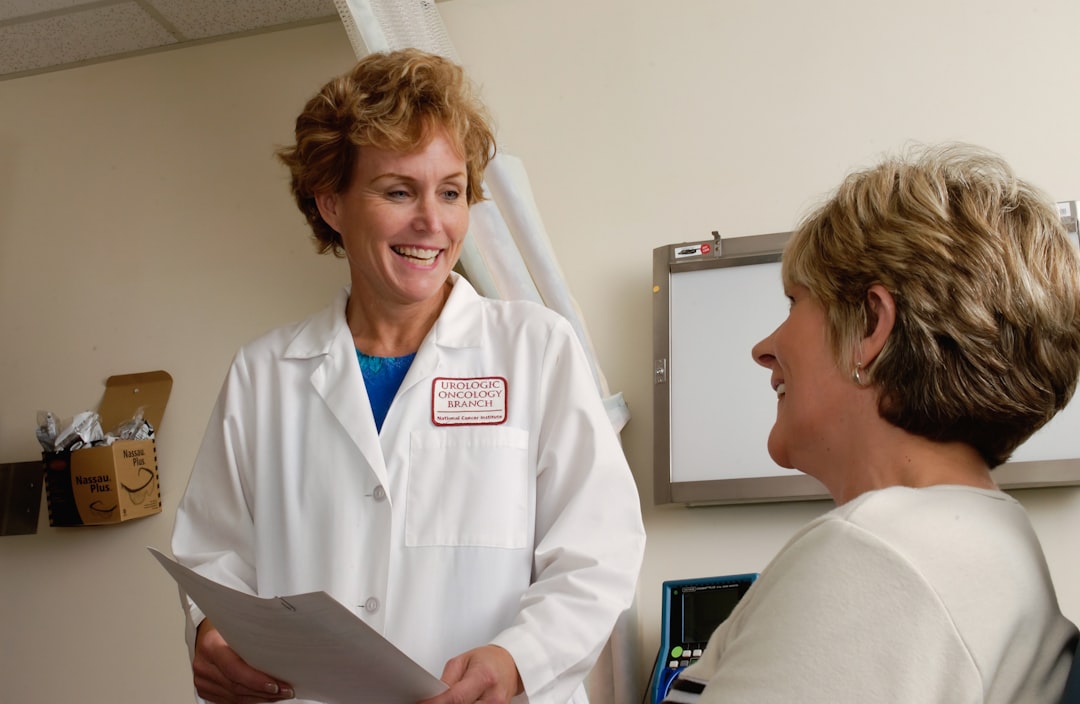
A nurse practitioner (NP) is an advanced practice registered nurse who can assess, diagnose, and treat patients. Depending on the country and region, they work independently or in close collaboration with physicians. Day to day, an NP might take patient histories, perform physical exams, order and interpret lab work or imaging, prescribe medication, and manage chronic conditions like diabetes or hypertension.
Many NPs specialize in family practice, pediatrics, mental health, or acute care. The scope of what they're legally allowed to do, especially prescribing, varies by jurisdiction. Unlike a registered nurse, an NP often serves as a patient's primary care provider, making autonomous clinical decisions rather than executing a physician's orders.
That mix of diagnostic authority, prescribing responsibility, and direct patient relationships is exactly what makes the role resistant to automation, and exactly what the next section digs into.
How Is AI Changing Nurse Practitioner Work?
AI already shows up in an NP's workflow in specific, practical ways. Ambient documentation tools now listen to a patient visit and draft clinical notes automatically, cutting the after-hours charting that drives much of clinician burnout. Diagnostic support systems flag abnormal patterns in lab results or imaging before a human reviews them, and clinical decision support tools cross-check prescriptions against a patient's history for drug interactions.
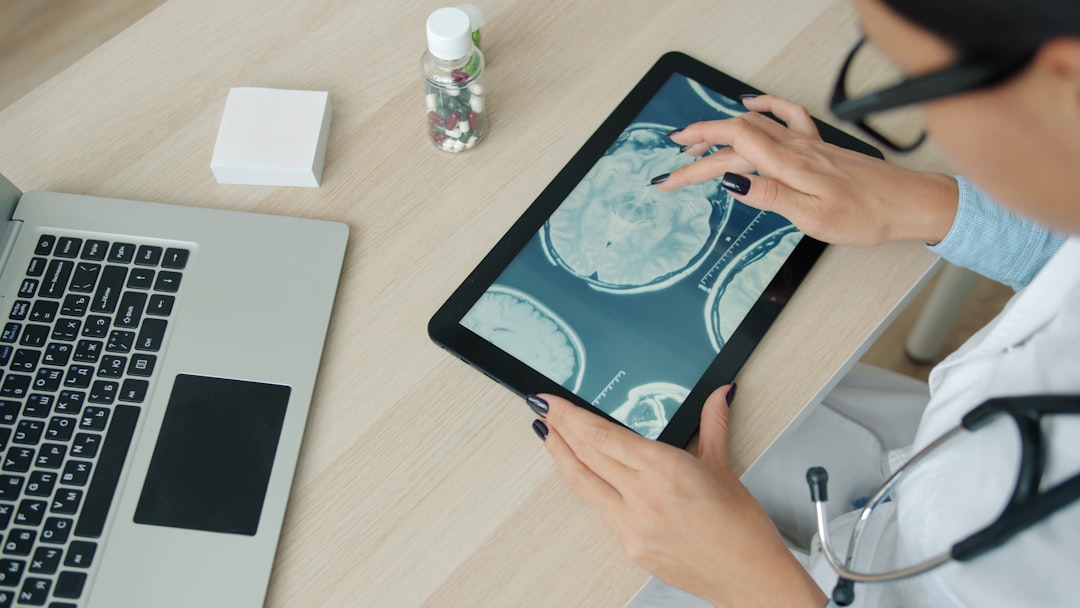
The technology can draft the note. It cannot sit with a frightened patient and decide, in real time, what they actually need to hear.
Where AI consistently falls short is everywhere judgment and accountability matter more than pattern recognition. An NP has to weigh a patient's full context: family history, medication adherence, social circumstances, health literacy. Then they decide on a treatment plan they are personally and legally accountable for. AI can suggest a differential diagnosis; it cannot examine a patient, build trust, or take responsibility for the outcome. Ambiguous presentations, a patient describing vague symptoms that don't map cleanly to a textbook case, still require the kind of reasoning that comes from clinical training and experience, not from pattern matching against a dataset.
Over the next three to five years, the NP role looks less like being replaced and more like being unburdened. Routine documentation and administrative work shrink. AI becomes a second set of eyes on diagnostics and a research assistant that stays current on treatment guidelines faster than any human could alone. What grows is the proportion of an NP's time spent actually with patients, on the parts of the job that were the reason most people entered nursing in the first place.
Which Skills Will Still Matter?
- Clinical judgment under ambiguity: the ability to make a call when symptoms don't fit a clean pattern.
- Patient communication and trust-building: explaining a diagnosis or treatment plan in a way a patient actually understands and acts on.
- AI literacy: knowing how to use diagnostic and documentation tools well, and knowing when to override them.
- Care coordination: working across specialists, pharmacists, and family members to manage a patient's full picture.
A Master of Science in Nursing or a Doctor of Nursing Practice remains the standard entry point, and most APAC destinations expect NPs to hold postgraduate qualifications plus supervised clinical hours before they can practice independently.
Career Outlook
Demand for nurse practitioners has been growing faster than most healthcare roles. Aging populations and primary care shortages mean health systems increasingly lean on NPs to fill gaps physicians alone can't cover. In the US, median pay for the broader advanced practice nursing category sits around $132,000 a year, with projected job growth well above the average for all occupations. That growth trend holds in most developed healthcare systems, though pay and scope of practice differ significantly by country.
That demand extends well beyond any single country. Several APAC destinations are actively recruiting advanced practice nurses and offer clear pathways for internationally trained NPs.
Nurse Practitioner Salary: Australia vs New Zealand
Pay for nurse practitioners depends more on which country you're in than which employer you work for. Advertised NP salaries in Australia typically run AU$145,000–$155,000 a year (SEEK, 2026), with senior and locum roles pushing past AU$175,000. In New Zealand, advertised roles sit close behind at NZ$145,000–$150,000 (SEEK, 2026), though public hospital NPs on the national MECA pay scale can land somewhat lower once the figure excludes allowances and seniority loading.
Singapore and Hong Kong don't use the "nurse practitioner" title in the same way Australia and New Zealand do, so NPs relocating there typically register under a local advanced practice nursing category. It's worth confirming the exact equivalent with the destination's nursing board before applying. For a fuller pay comparison across nursing and other healthcare roles, see brigenai's Australia salary guide and New Zealand salary guide.
Study and Work Abroad

Study Abroad
- Australia is a strong option for postgraduate nursing study, with The University of Sydney offering a well-regarded Master of Nursing (Nurse Practitioner) pathway and strong clinical placement networks.
- New Zealand's nurse practitioner registration process is internationally recognized, and University of Auckland runs postgraduate advanced practice nursing programs aligned with the country's registration requirements.
- Singapore offers a compact, high-quality clinical training environment, with National University of Singapore offering advanced practice nursing postgraduate study for those aiming at Southeast Asia's healthcare hubs.
Work Abroad
- New Zealand has listed nurse practitioners on its skill shortage lists, and brigenai's skills list and green list pages break down which nursing roles currently qualify for faster residence pathways.
- Australia continues to face primary care and rural health shortages, and NPs are recruited through skilled migration pathways; browse relocation jobs in Australia and see whether your qualification lines up with the MLTSSL occupation list.
- Taiwan and Hong Kong are both expanding advanced practice nursing roles as their healthcare systems modernize; see relocation jobs in Taiwan and relocation jobs in Hong Kong for current openings.
For a broader look at healthcare career pathways, browse the Healthcare & Medical job category, and compare take-home pay across destinations with brigenai's salary vs. cost of living comparison tool.
FAQs
Should I still study to become a nurse practitioner?
Yes. The role's reliance on hands-on judgment and patient trust makes it one of the more AI-resistant career paths in healthcare, and demand is still growing in most developed markets.
What if I'm already working as a nurse practitioner?
Focus on getting comfortable with AI documentation and decision-support tools now. They're becoming standard in clinical settings, and fluency with them will make you more efficient, not less needed.
Do NP qualifications transfer between countries?
Not automatically. Each country (and often each state or region within it) has its own registration and supervised-practice requirements, so check the specific pathway for your target destination before you commit.
Conclusion
Nurse practitioners aren't being replaced by AI; they're being handed better tools so they can spend more time on the clinical judgment and patient relationships that define the role. If you're considering this path, start by researching postgraduate nursing programs in a destination with strong NP demand, and use brigenai's AI-powered job match tool to see where your qualifications fit.
Ready to build a career that lasts?
Check your AI risk, find careers that fit your skills, and get a clear plan to switch, with real people to help along the way.