What Does a Pharmacist Do — and Will AI Replace Them?

Pharmacists are not being replaced by AI. Automation is taking over routine dispensing and drug-interaction checks. But the clinical judgment, patient counseling, and accountability at the center of the job stay firmly human.
Quick facts: AI Impact: Moderate · Salary: AU$70,000–95,000 in Australia, varies by country · Education: Bachelor's degree in Pharmacy (PharmD in the US) · Key skills: clinical pharmacology, patient counseling, medication safety.
What Does a Pharmacist Do?
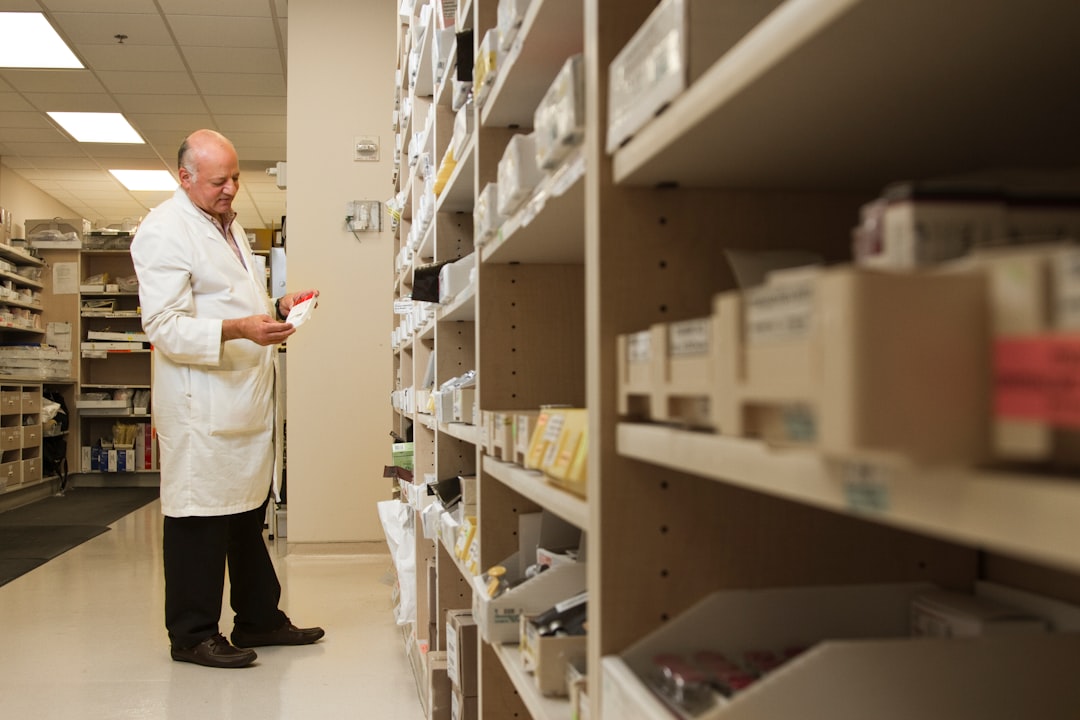
A pharmacist checks and dispenses prescriptions. They verify dosages against a patient's other medications and conditions, then counsel patients on how to take drugs safely. In community pharmacy, this means catching interactions before they become an emergency room visit. In hospital pharmacy, it means working alongside doctors to adjust therapy for complex, often critically ill patients.
Many pharmacists also give vaccinations and manage chronic disease programs, like diabetes or blood pressure monitoring. For many patients, the pharmacist is the most accessible healthcare professional they'll see, often without needing an appointment.
How Is AI Changing Pharmacist Work?
AI already handles a real slice of the routine load. Automated dispensing robots count and package pills in hospitals and large retail pharmacies. AI-driven drug interaction checkers flag conflicts faster and more consistently than manual review. Some chains use predictive software to manage inventory and refill timing. Chatbots now field basic dosage or side-effect questions before a human gets involved.
What AI still can't do is the part that matters most: making clinical judgment calls on ambiguous cases, taking legal and professional accountability for a dispensing decision, and building the trust that gets a patient to admit they've stopped taking their medication. A drug interaction flagged by software still needs a pharmacist to decide whether it's clinically significant for this patient, with this history, on this day.
The tools are getting better at the routine 80% of the job. The remaining 20%, the judgment calls under uncertainty, is where pharmacists are becoming more valuable, not less.
Over the next three to five years, expect the role to shift further toward clinical services: medication therapy management, vaccination, point-of-care testing, and chronic disease coaching. Less time will go to manual counting and basic verification. Pharmacists who lean into these clinical and advisory functions will do more patient-facing, higher-judgment work, not less.
Which Skills Will Still Matter?
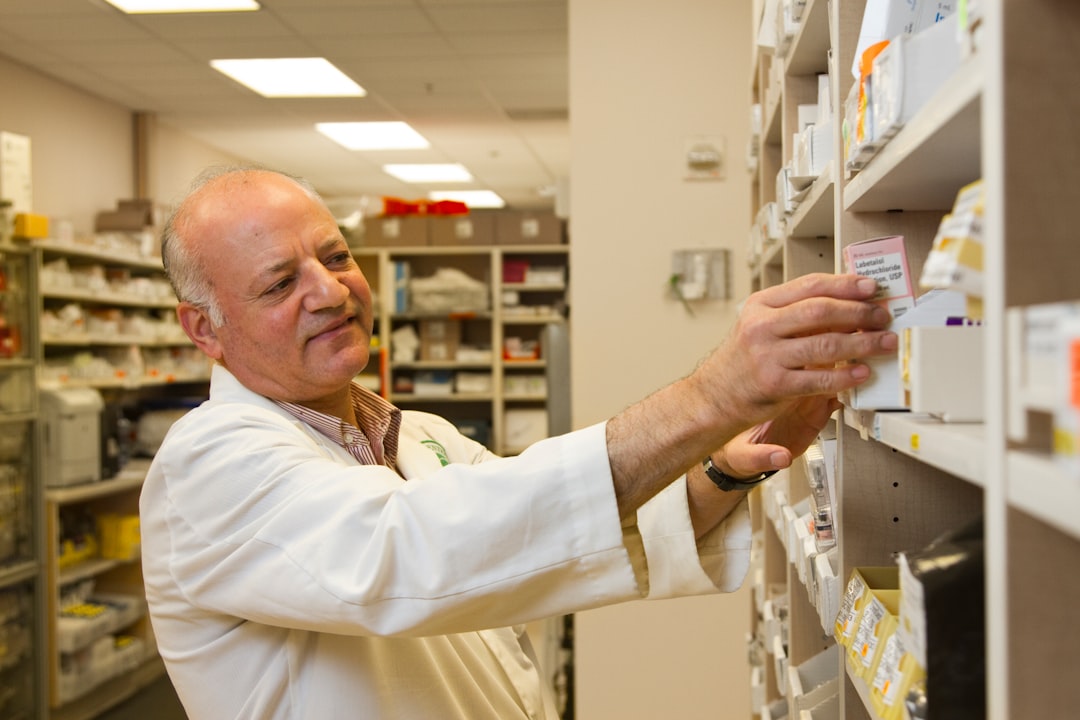
Four skills will matter most as AI takes over the routine work:
Clinical pharmacology depth. The ability to reason about drug interactions AI flags but can't resolve on its own.
Patient communication. Translating a complex regimen into something a worried patient will actually follow.
Regulatory and compliance literacy. Accountability for dispensing errors sits with the licensed pharmacist, not the software.
Comfort working alongside clinical software. Verifying and overriding AI-generated flags rather than rubber-stamping them.
A Bachelor of Pharmacy (or equivalent) remains the standard entry credential across most APAC markets. Postgraduate clinical pharmacy pathways open up hospital and specialist roles.
Career Outlook
In the US, pharmacist employment is projected to grow 5% between 2024 and 2034, faster than the average for all occupations, with about 14,200 openings a year; median pay was $137,480 in 2024 (source: US Bureau of Labor Statistics). Growth is strongest in hospitals and clinical settings, where pharmacists take on more direct patient care; retail dispensing roles are growing more slowly as automation absorbs routine volume.
That split matters for where you look. Markets actively expanding what pharmacists are legally allowed to do, prescribing, vaccinating, running clinics, tend to offer both stronger job security and clearer paths into higher-paying clinical work.
Study and Work Abroad
Study Abroad
Australia: Monash University runs one of the world's top-ranked pharmacy programs, with strong post-study work visa pathways for international graduates.
New Zealand: University of Otago offers New Zealand's original pharmacy degree, with close ties to the national health system for clinical placements.
Taiwan: Taipei Medical University combines affordable tuition with hands-on hospital pharmacy training, popular with students targeting the broader Asian pharma sector.
Work Abroad
Singapore: A regional pharmaceutical manufacturing hub, home to operations from GSK, Novartis, Roche, and Pfizer, alongside strong hospital and community pharmacist demand. Overseas pharmacists register through the Singapore Pharmacy Council; see current Singapore relocation job openings.
Hong Kong: Retail pharmacy chains like Mannings and Watsons offer accessible entry points. Check Hong Kong relocation roles for current openings.
Australia: Chemist Warehouse and major hospital networks are consistently hiring. Overseas pharmacists register through the Pharmacy Board of Australia; explore Australia relocation jobs and check current skilled migration visa options before committing.
FAQs
Should I still study pharmacy given AI's growing role?
Yes. AI is absorbing the routine dispensing work, which frees pharmacists to spend more time on clinical, patient-facing work that's harder to automate and generally more rewarding.
What if I'm already working as a pharmacist?
Lean into clinical services like medication therapy management and vaccination programs. These are the fastest-growing, most AI-resistant parts of the role.
Is community or hospital pharmacy more future-proof?
Hospital pharmacy tends to involve more complex, judgment-heavy cases, which makes it somewhat more insulated from automation than high-volume community dispensing.
Conclusion
AI is changing how pharmacists work, not whether they're needed. Dispensing and checking tasks are increasingly automated, but the clinical judgment and patient trust at the profession's core are not. If you're considering this path, start by researching pharmacy programs in a country with strong post-study work pathways; Australia and New Zealand are worth a close look. Curious how a related healthcare career compares? See nursing career tips for international grads, or explore brigenai's real pharmacist stories to see what the day-to-day actually looks like before you commit.
Ready to build a career that lasts?
Check your AI risk, find careers that fit your skills, and get a clear plan to switch, with real people to help along the way.