Will AI Replace Registered Nurses?
No. AI will not replace registered nurses. It's already taking over some of the paperwork and monitoring load. But the hands-on care, split-second judgment calls, and human comfort at the center of nursing sit well outside what today's AI can do.
Quick Facts: AI Impact: Low. Salary: $70,000-$137,000 USD. Typical education: Bachelor's Degree. Key skills: clinical assessment, patient care coordination, critical thinking.
What Does a Registered Nurse Do?
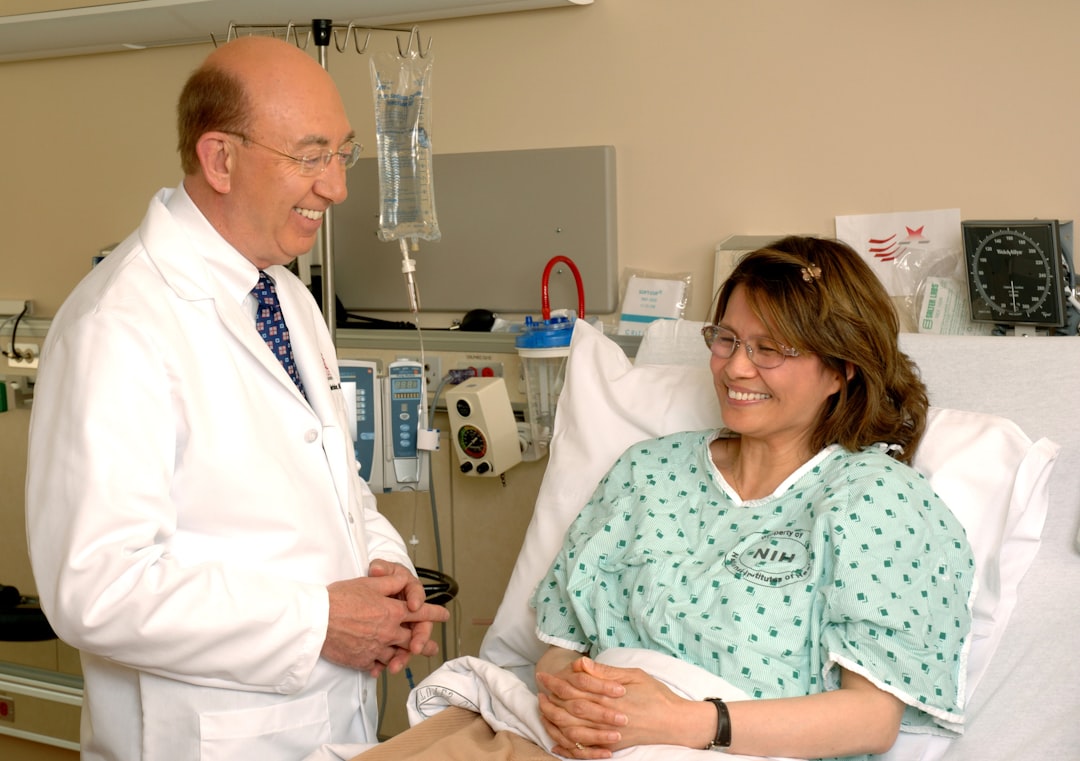
A registered nurse (RN) is the person coordinating and delivering direct patient care, usually across a full shift, not a single task. That means assessing a patient's condition, administering medications and treatments, monitoring vital signs, and catching the early signs that something is going wrong before it becomes an emergency.
RNs also translate between the care team and the patient. That means explaining a diagnosis in plain language, briefing physicians and specialists on changes in a patient's status, and documenting all of it accurately in the electronic health record (EHR). A large part of the job is advocacy: making sure a patient's needs and preferences actually reach the people making decisions about their care. For a closer look at what the day-to-day is really like, see this registered nurse's own advice for international students and new grads.
How Is AI Changing Nursing?
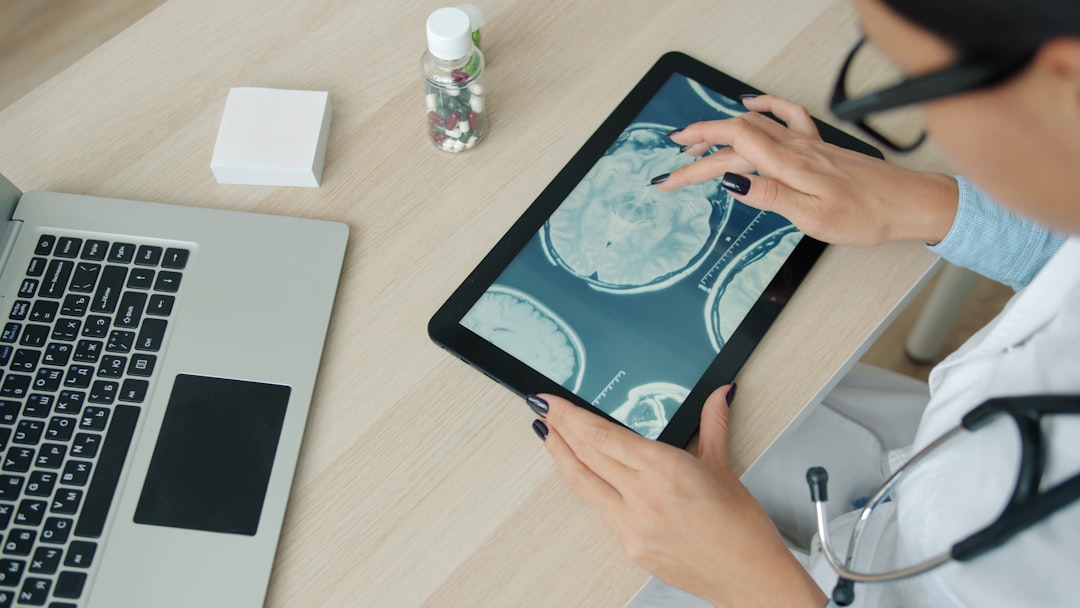
What AI can already do:
- Ambient documentation tools now listen to a nurse-patient conversation and auto-draft the clinical note, cutting charting time
- Predictive monitoring systems flag early signs of patient deterioration, such as sepsis risk, from trends in vitals before a human would catch them
- Smart infusion pumps, AI-assisted triage in emergency departments, and automated medication interaction checks are now standard in many hospital systems
Where humans remain essential: no algorithm can reposition a patient, manage a wound, start an IV, or physically restrain someone in crisis. AI also struggles with reading the non-verbal cues, fear, and confusion patients express, and it can't sit with a frightened family and explain what happens next. Situations get ambiguous fast, a patient's story doesn't match their chart, or two treatment paths conflict, and in those moments it's the nurse who weighs the trade-offs and takes responsibility for the call.
AI is very good at pattern-matching a chart. It is not good at noticing that a patient's voice sounds different today than it did yesterday. That's the gap most hospital AI deployments are running into: they augment the nurse's attention, they don't replace it.
Over the next three to five years, expect nurses to spend less time on manual charting and more time acting on what AI surfaces: verifying alerts, deciding which ones matter, and stepping in on the parts of care that require a human hand.
Which Skills Will Still Matter?
- Clinical judgment under ambiguity, weighing conflicting signals and making a call when the algorithm can't
- Communication and empathy, explaining care plans and supporting patients and families through fear and uncertainty
- Digital health literacy, comfortably using EHR systems and knowing when to trust, or override, an AI-generated alert
- Care coordination, working across physicians, specialists, and allied health staff in real time
A Bachelor of Science in Nursing (BSN) is increasingly the baseline many hospitals now require or prefer for hiring and promotion, ahead of the shorter associate-degree route.
Career Outlook
The U.S. Bureau of Labor Statistics projects RN employment to grow 5% from 2024 to 2034, faster than the average for all occupations, with roughly 189,100 openings projected each year. That demand is driven largely by an aging population, rising rates of chronic disease, and nurses retiring or moving into advanced practice roles. Persistent shortages, especially in rural and underserved areas, mean qualified RNs remain in a strong negotiating position almost everywhere. Browse more healthcare career profiles if nursing is one of a few paths you're weighing.
That demand isn't confined to the US. Several APAC markets are actively recruiting internationally trained nurses to plug their own shortages, often with faster residency pathways than most other professions get.
Study and Work Abroad
Study Abroad
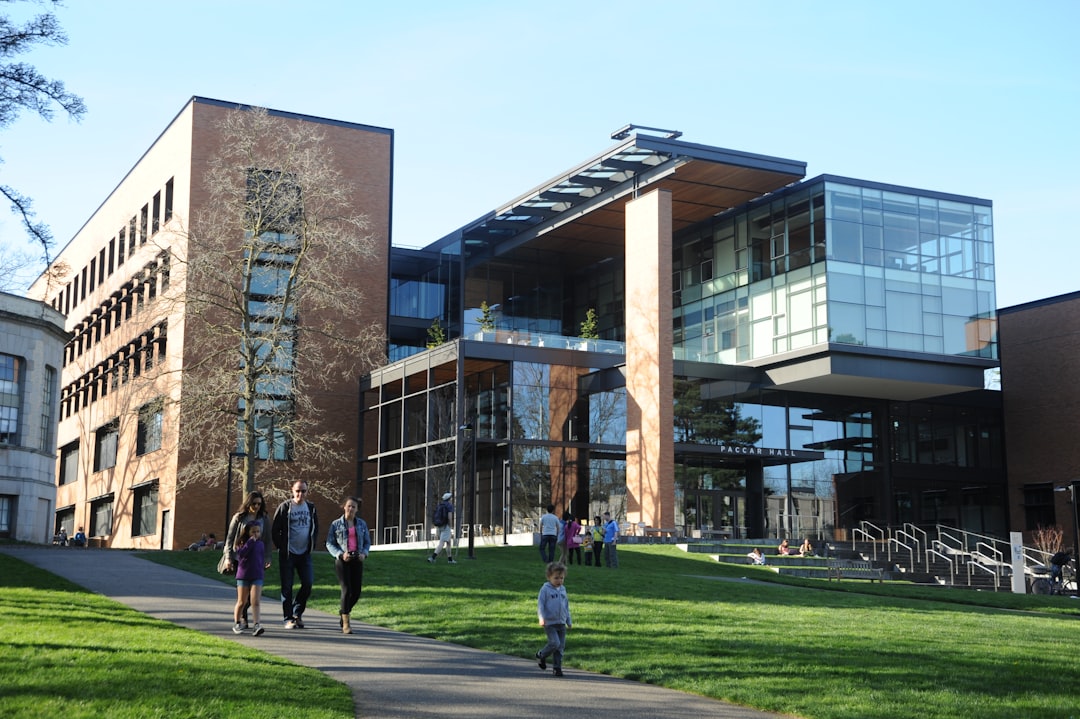
- Australia: The University of Sydney and University of Melbourne both offer internationally recognized nursing degrees with strong clinical placement networks and a direct post-study work visa pathway for graduates
- New Zealand: The University of Auckland's Bachelor of Nursing is a well-trodden route into a health system that regularly appears on the government's skill shortage lists. Check how long graduates can stay in NZ after study and how to move from a student visa to a work visa
- Singapore: NUS's Alice Lee Centre for Nursing Studies combines a research-driven curriculum with clinical rotations across Singapore's major hospital clusters
- Hong Kong: The Hong Kong Polytechnic University's School of Nursing is a common entry point into the territory's public hospital system, which trains and hires heavily from its own graduating classes
Work Abroad
- Singapore: SingHealth, the country's largest healthcare group, hires internationally trained nurses into its hospital and polyclinic network
- Australia: Ramsay Health Care and the state public hospital systems both actively recruit RNs, with nursing regularly appearing on skilled migration priority lists
- New Zealand: Health New Zealand | Te Whatu Ora is the single national employer for public hospital nurses, and nursing has repeatedly featured on the country's Green List, which fast-tracks residence for in-demand roles. Related visa options: Skilled Migrant Category Resident Visa and Work to Residence Visa
- Hong Kong: The Hospital Authority runs the territory's public hospitals and recruits overseas-trained nurses to cover ongoing staffing gaps
- Taiwan: Taipei Veterans General Hospital and other major teaching hospitals in Taipei are established employers for nurses coming from abroad
Before applying anywhere, it's worth checking country-specific visa requirements. brigenai's visa eligibility checker is a fast way to see which pathway realistically applies to your situation.
FAQs
Should I still study nursing given how fast AI is moving?
Yes. Nursing sits in one of the lowest-automation-risk categories of any profession, and demand is projected to keep growing well into the next decade.
What if I'm already working as a registered nurse?
Get comfortable with the AI tools your hospital is rolling out, documentation assistants, early-warning systems, rather than avoiding them; being the nurse who knows how to work with these tools, not against them, is where the leverage is.
Do I need a BSN, or is an associate degree enough?
An associate degree (ADN) still gets you licensed in most US states, but a growing share of hospitals now require or strongly prefer a BSN for hiring and promotion, and it's typically the standard expected internationally.
Conclusion
AI isn't coming for nursing. It's coming for the parts of the job that were never really the point, like manual charting and static monitoring. The core of the role (hands-on care, judgment, and being present with a patient at a hard moment) stays firmly human. If you're building toward this career, the smartest move now is getting comfortable working alongside clinical AI tools rather than around them. If you're weighing where to study or work, start with brigenai's relocation jobs guides and visa eligibility checker to narrow it down.
Ready to build a career that lasts?
Check your AI risk, find careers that fit your skills, and get a clear plan to switch, with real people to help along the way.